The Surron motor is the heart of the bike. It turns battery power into the instant torque that makes electric dirt bikes so much fun, and it does it with almost no maintenance. Even so, understanding how the Surron motor works helps you ride smarter, spot problems early and choose upgrades that actually help.
In this guide we cover the Surron motor on each current model, how motors and controllers work together, cooling and heat, common faults, maintenance and upgrade options. Figures come from Surron Australia and our listings and are current as of October 2026.
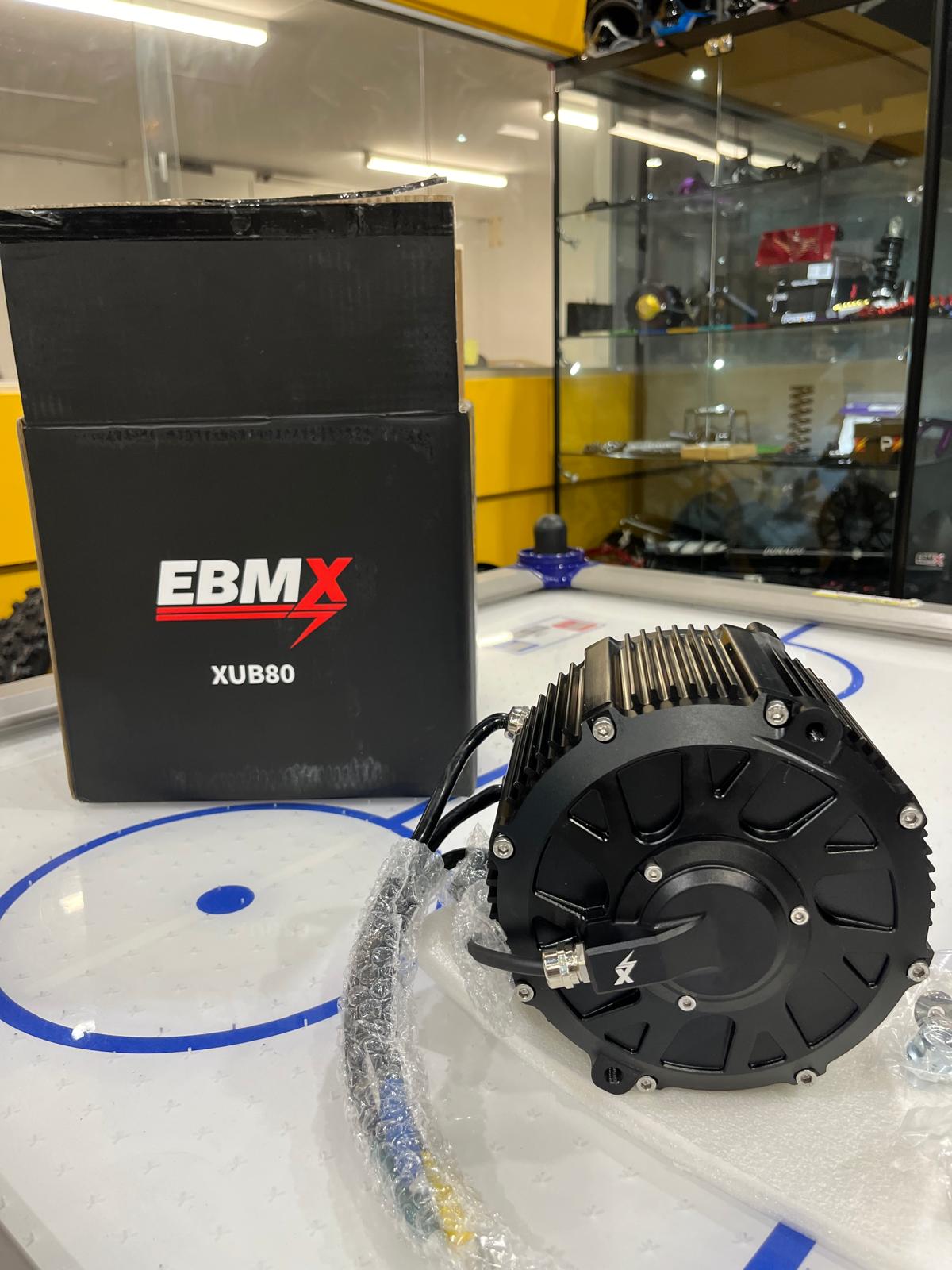
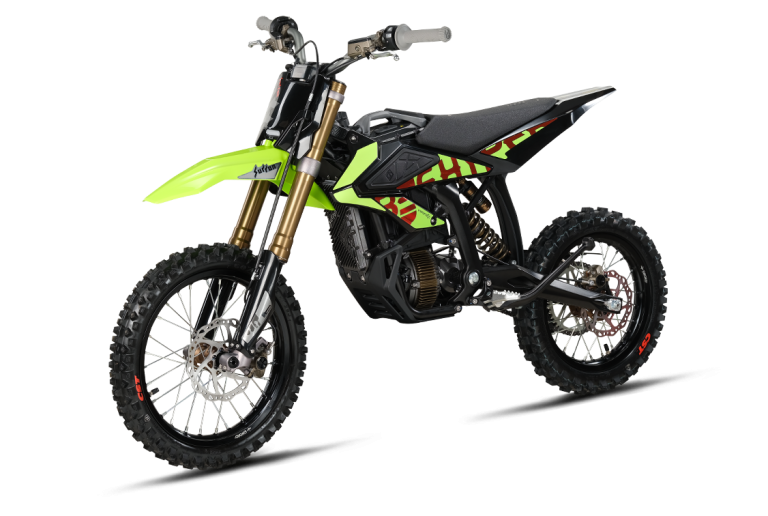
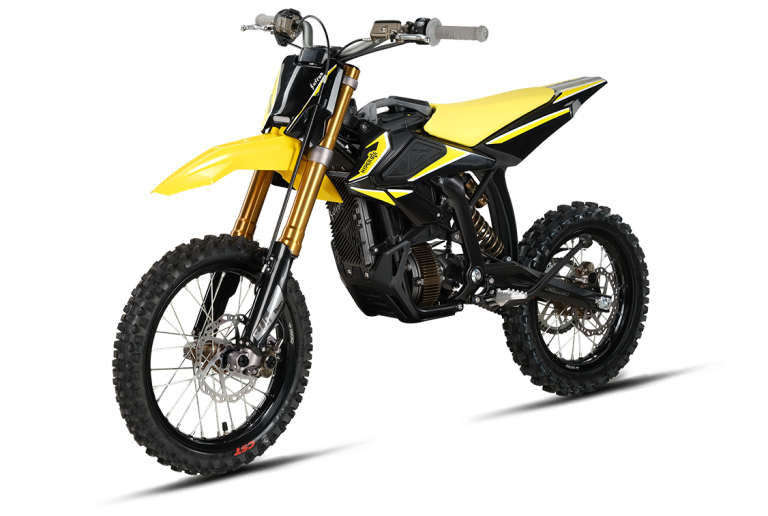
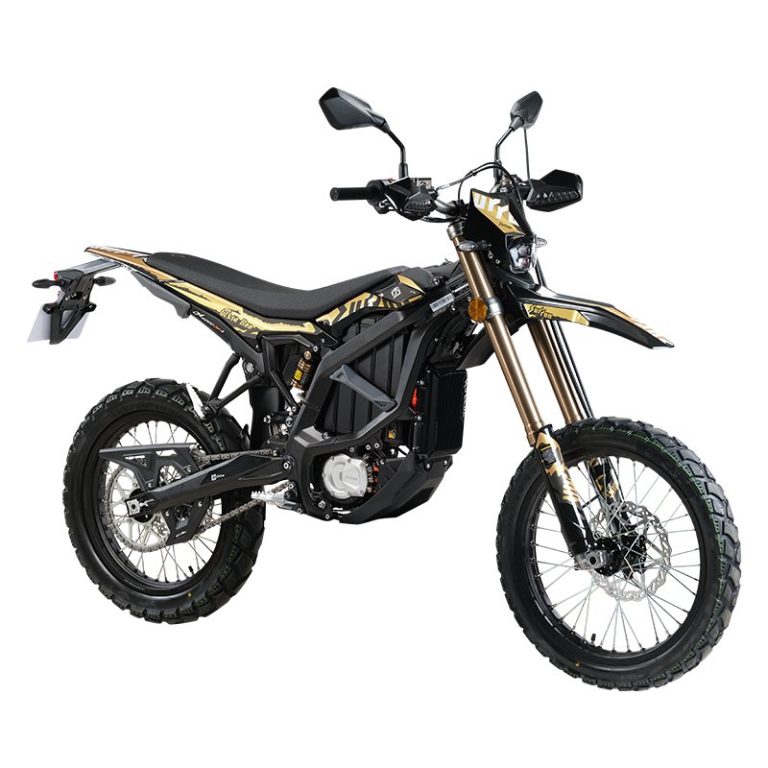
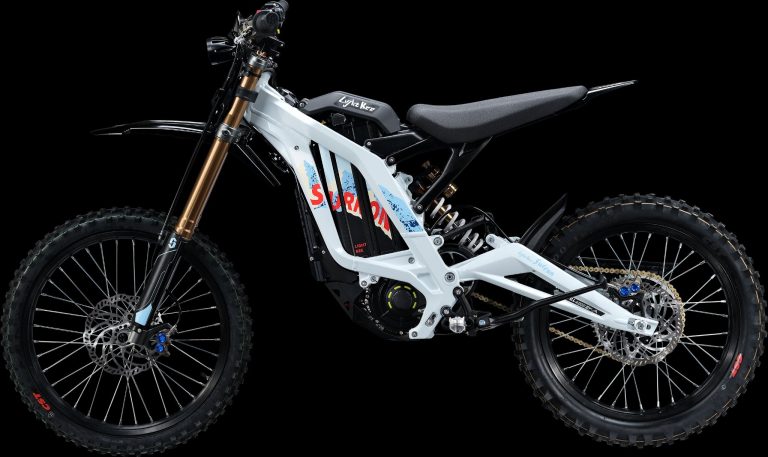
Surron motor output by model
Here is how the motors compare across the range:
| Model | Peak power | Torque | Top speed |
|---|---|---|---|
| Hyper Bee | 8 kW | 185 Nm at the drive wheel | 65 km/h |
| Light Bee X 2025 | 8 kW | 266 Nm at the rear wheel | 75 km/h |
| Light Bee X 2026 | 10 kW | 295 Nm | 80 km/h |
| Light Bee 2 | 24 kW | 410 Nm | 90 km/h |
| Ultra Bee HP | 24.5 kW (Turbo) | 520 Nm at the rear wheel | 95 km/h |
Torque figures quoted at the rear wheel include the gearing between the motor and wheel, which is why they look high compared with petrol engine figures measured at the crank.
How a Surron motor works
Surron bikes use brushless permanent-magnet motors. Inside, magnets on the rotor spin past copper windings in the stator. The controller switches current through the windings in sequence to create a rotating magnetic field that pulls the rotor around. Because there are no brushes to wear, the Surron motor needs very little maintenance.
Sensors inside the motor tell the controller where the rotor is, so it can switch the windings at exactly the right moment. That precise control is what gives electric bikes their smooth, instant throttle response.
The controller: the motor’s brain
The controller sits between the battery and the Surron motor. It decides how much current to send based on throttle position, riding mode, battery state and temperature. A stronger controller can push more current through the motor, which raises power and torque. It is why controller upgrades are one of the most popular performance mods.
The controller also protects the system. If the motor or controller gets too hot, it reduces power to prevent damage. If the battery is low, it limits current to protect the cells.
Mid-drive layout
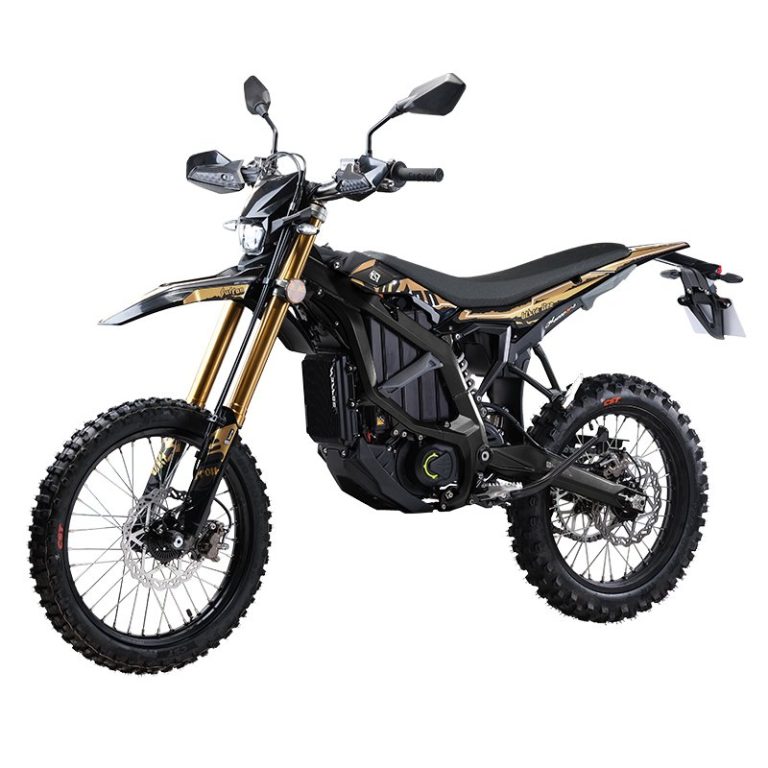
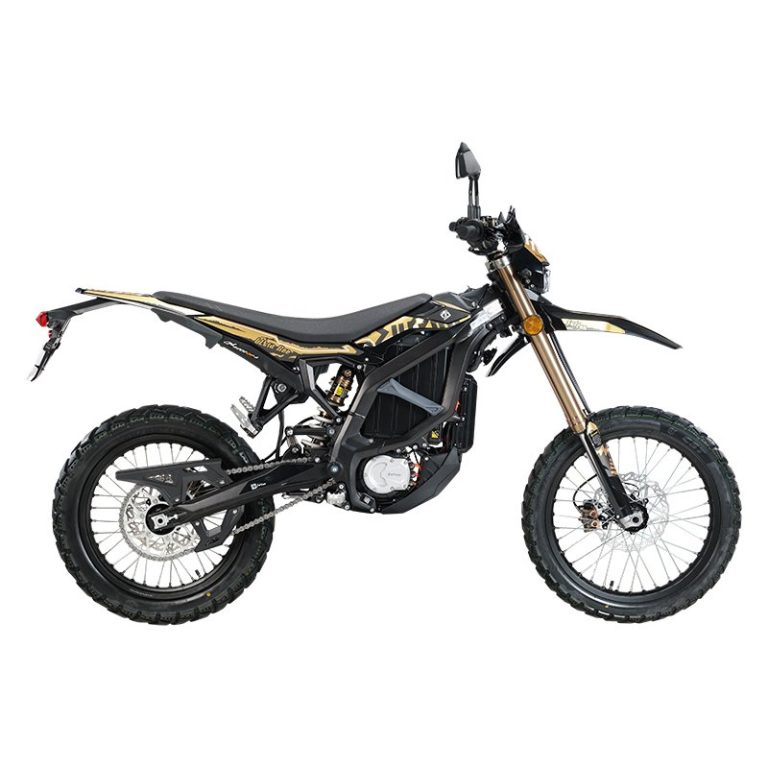
The Surron motor sits in the middle of the frame, low and close to the bike’s centre of gravity. Power travels through a primary drive, such as a belt or chain, and then the final drive chain to the rear wheel. This layout keeps weight central, helps handling and lets you change gearing with sprockets.
Heat and cooling
Heat is the main enemy of any electric motor. Hard riding in sand, long steep climbs and hot weather all push temperatures up. When the motor or controller gets hot, the system reduces power to protect itself. Riders often notice this as the bike feeling sluggish after a long climb.
To manage heat:
- Use a lower mode on long climbs where full power is not needed.
- Avoid holding full throttle against heavy resistance for long periods.
- Gear the bike sensibly for your terrain; overly tall gearing makes the motor work harder.
- Keep the motor area clean so air can flow around it.
- Let the bike rest briefly after very hard sections on hot days.
8 proven Surron motor tips
1. Ride smoothly
Sharp, repeated full-throttle bursts create heat and stress. Smooth throttle control is easier on the motor and faster on the trail.
2. Choose the right mode
Eco and lower modes reduce current and heat. Save higher modes for when you need them.
3. Keep the drive train in good condition
A dry or tight chain adds resistance that the motor has to overcome. Lubricate and adjust the chain regularly.
4. Gear for your terrain
Tight, technical trails often suit lower gearing. It improves control and reduces motor strain.
5. Keep water out of connectors
Avoid pressure washing around the motor cables and connectors. Water ingress can cause faults.
6. Check mounts and bolts
Motor mounting bolts can loosen over time. Check them during regular maintenance.
7. Watch for warning signs
Unusual noises, vibration, smells or error codes need attention.
8. Upgrade as a system
A more powerful controller or battery affects the motor, drive train, brakes and suspension. Upgrade with the whole bike in mind.
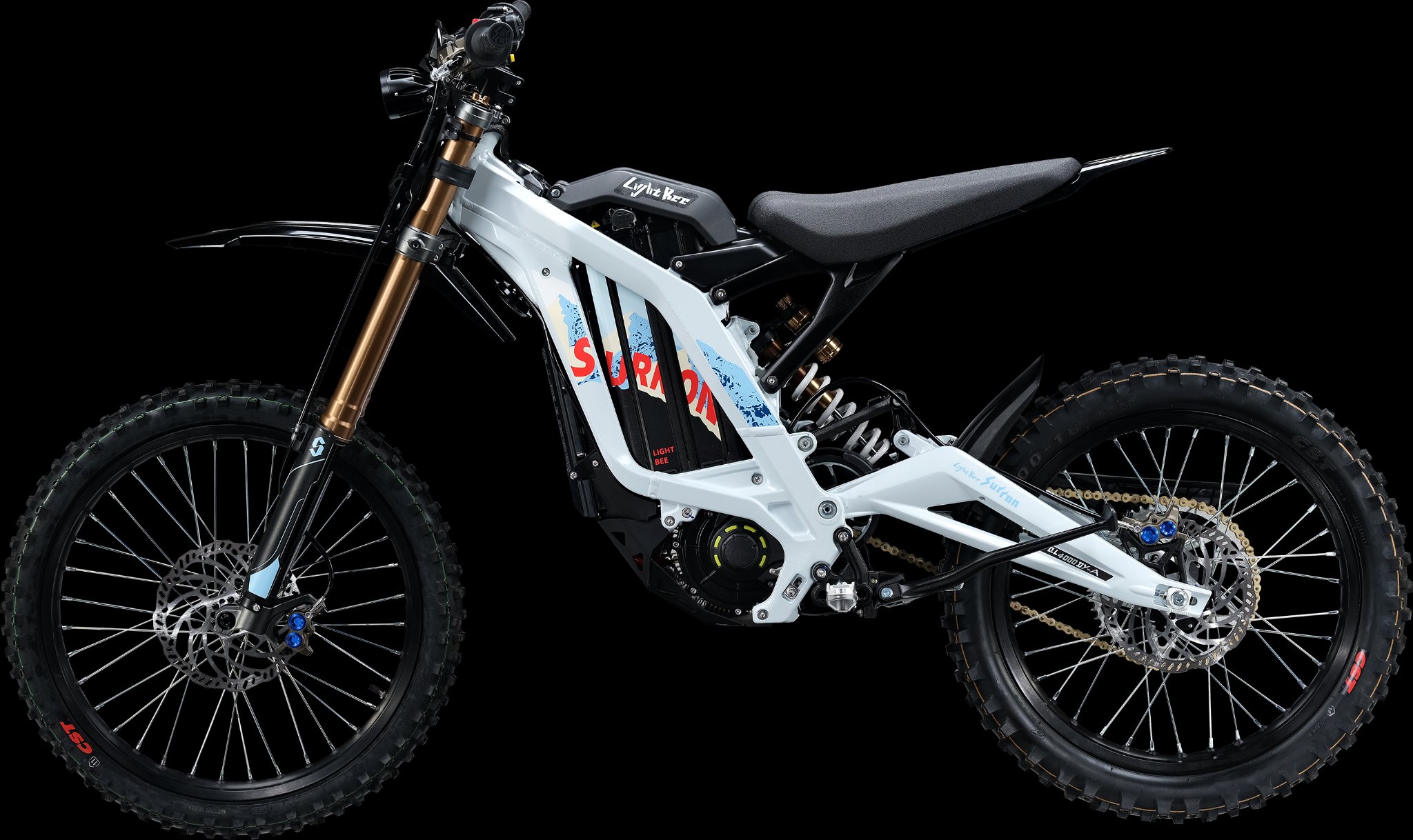
Common Surron motor problems
The Surron motor is reliable, but these issues can appear:
- Loss of power after hard riding: usually thermal protection. Let the system cool.
- Jerky or stuttering power: often a sensor or connector issue between motor and controller.
- Grinding or clicking noises: can point to bearing wear or something rubbing.
- Motor runs but the bike does not move: check the primary drive and chain.
- Error codes on the display: note the code and check the manual or contact a workshop.
Many apparent motor faults are actually wiring, connector or controller problems. A workshop can test the motor’s windings and sensors to find the real cause.
Surron motor upgrades
Controller upgrade
Fitting a stronger controller is the most common way to get more performance. It lets the existing Surron motor deliver more torque and power. Browse our motors and controllers range for options.
Battery upgrade
A higher-voltage battery lets the motor spin faster, raising top speed. Combined with a controller upgrade, it can transform performance. See our batteries and chargers.
Motor replacement
For the Ultra Bee, the Version 2 XUB-80 replacement motor is available for $1,644.50. A replacement motor is usually needed after damage or for specific performance builds.
Supporting upgrades
More power needs better brakes, stronger chain and sprockets, and suspension that can cope. Our power upgrades category includes parts that support higher outputs.
Upgrades and the law
Increasing power on an off-road bike does not change where you can legally ride it. On a road-registered bike, modifying the motor or controller may make the bike non-compliant and affect registration and insurance. Check with your state road authority and insurer before modifying a registered bike.
Surron motor maintenance schedule
A simple schedule keeps the motor system healthy:
- Every ride: listen for unusual noises and watch for error codes.
- Monthly: check motor mounts, cable routing and connectors.
- Every few months: inspect the primary drive belt or chain and the final drive.
- Yearly: have a workshop check bearings and run diagnostics.
Understanding power figures: peak vs continuous
You will often see two power numbers for an electric bike. Peak power is the maximum the motor can deliver for short bursts. Continuous or rated power is what it can sustain without overheating. Surron quotes peak figures for most models, such as 10 kW for the 2026 Light Bee X. Other brands, such as E-Ride Pro, often quote both, for example 6 kW continuous and 15.8 kW peak on the SS 3.0.
For trail riding, peak power decides how hard the bike accelerates, while continuous power decides how well it handles long climbs and sustained high speed. A motor with high peak but low continuous power can feel strong at first and then fade as it heats up.
How torque feels on the trail
Torque is the twisting force that drives the rear wheel. Electric motors produce strong torque from zero speed, which is why a Surron launches so quickly. Torque figures quoted at the rear wheel include the drive ratio, so they are not directly comparable with petrol engine torque measured at the crankshaft.
On the trail, high torque helps you:
- Climb steep, loose hills at low speed.
- Lift the front wheel over logs and rocks.
- Accelerate hard out of corners.
- Pull through sand and mud.
Too much torque can also spin the rear wheel, which is why traction control and smooth throttle control matter on powerful models.
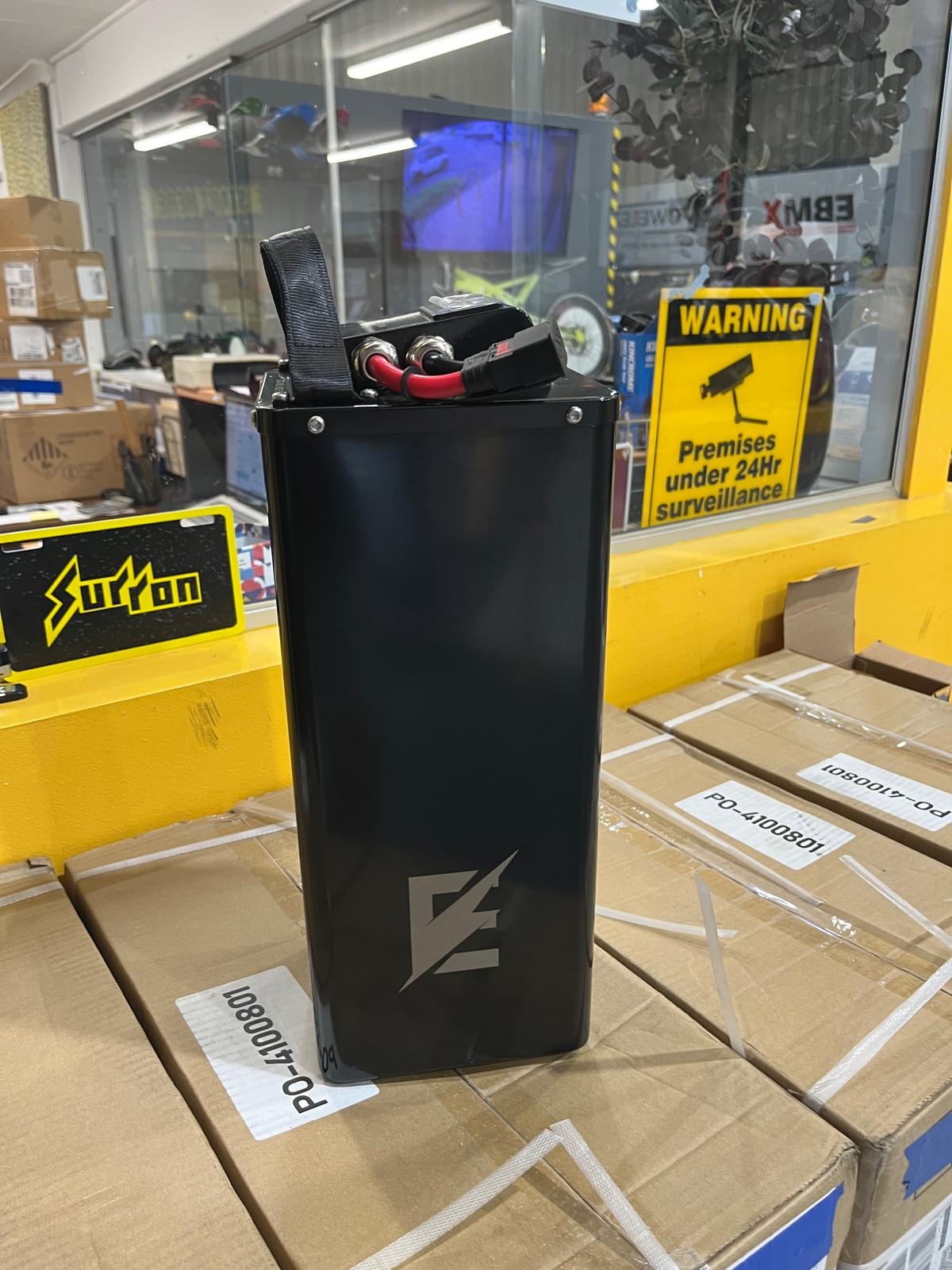
Regenerative braking
Some Surron models and aftermarket controllers support regenerative braking. When you roll off the throttle or use the brake, the motor acts as a generator and slows the bike while sending a little energy back to the battery. Regen helps on long descents, reduces brake wear and can add a small amount of range. Strong regen can feel like engine braking on a petrol bike, so many riders adjust it to suit their style.
Gearing and the motor
Sprocket changes alter how the motor’s power reaches the ground. A larger rear sprocket multiplies torque for better acceleration and climbing, but lowers top speed and makes the motor spin faster at a given road speed. A smaller rear sprocket does the opposite. Most trail riders prefer slightly shorter gearing for better control and lower motor temperatures. Change one tooth at a time and test how the bike feels.
Protecting the motor from water and dirt
Surron motors are designed for off-road use, but water and dirt can still cause problems over time. Ride through water carefully, avoid deep crossings, and never pressure wash directly at the motor cables or connectors. After muddy rides, rinse with low pressure, dry the bike and check connectors. A little dielectric grease on connector seals helps keep moisture out.
When to see a workshop
Bring your bike in if you notice:
- Grinding, whining or clicking that was not there before.
- Repeated error codes.
- Sudden loss of power that does not return after cooling.
- Burning smells.
- Vibration from the motor area.
Our workshop can test the Surron motor, controller and wiring to find the cause and recommend the right fix. You can also browse our OEM parts for genuine replacements.
Motor safety basics
Electric motors and controllers operate at high voltage. Never open the motor or controller unless you are trained. Disconnect the battery before working on wiring, and use insulated tools. The Australian Energy Safe Victoria website has general electrical safety advice that applies to any high-voltage equipment.
Surron motor vs petrol engine
Riders switching from petrol often ask how a Surron motor compares with an engine. The differences are striking:
| Feature | Surron motor | Petrol engine |
|---|---|---|
| Moving parts | Very few | Hundreds |
| Oil changes | None | Regular |
| Air filter | None | Needs cleaning |
| Power delivery | Instant torque from zero | Builds with revs |
| Gears and clutch | None on most models | Usually |
| Noise | Very quiet | Loud |
| Heat management | Controller limits power when hot | Coolant or air cooling |
The electric motor’s simplicity is why maintenance costs are so low. The main trade-off is range and charging time rather than reliability.
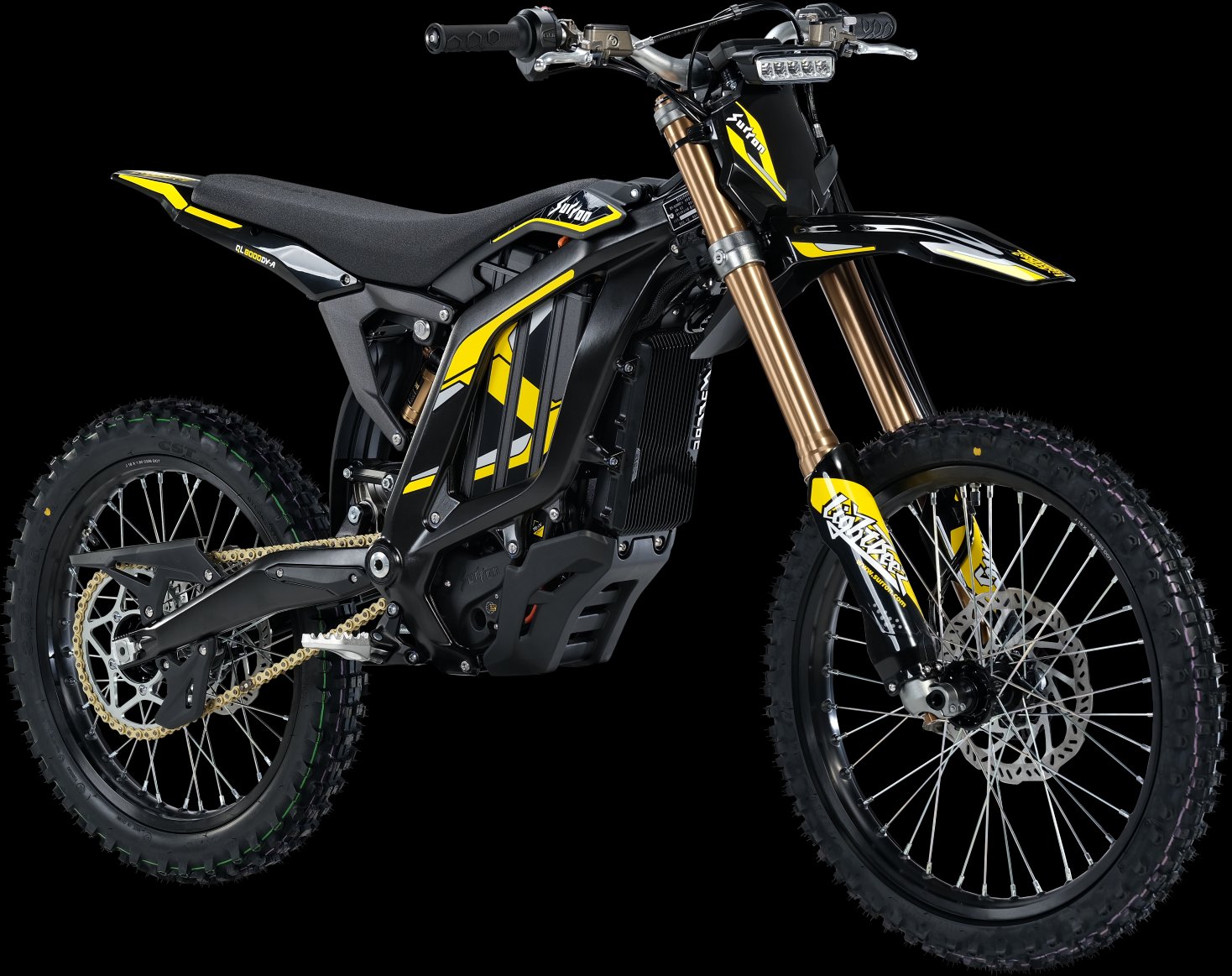
The Light Bee 2 motor leap
The Light Bee 2 shows how far the Surron motor has come. Surron Australia quotes 24 kW at peak and 410 Nm, three times the Light Bee X’s peak output, in a bike weighing about 65 kg. Combined with a 78.54 V semi-solid-state battery, that motor gives the Light Bee 2 performance closer to a full-size bike while keeping the light feel riders love.
Choosing the right upgrade path
If you want more performance from your Surron motor, follow a sensible order:
- Set up suspension and fit good tyres so you can use the power you already have.
- Upgrade brakes so you can control higher speeds.
- Fit a stronger controller to unlock more torque.
- Add a higher-voltage battery for more top speed and range.
- Strengthen the drive train with quality chains and sprockets.
Following this order keeps the bike balanced and safe. Jumping straight to maximum power without supporting upgrades often leads to broken parts and frustrated riders.
Surron motor sounds explained
Electric motors are quiet, but not silent. Learning the normal sounds of your bike helps you notice changes early.
- A smooth whine under acceleration is normal and rises with speed.
- Chain noise is common and changes with tension and lubrication.
- Belt hum on models with a primary belt is normal if the belt is correctly tensioned.
- Clicking or ticking that was not there before can point to loose bolts, a worn bearing or something rubbing.
- Grinding needs prompt attention and should be inspected by a workshop.
Listening to your bike on every ride is a free diagnostic tool. Many problems announce themselves with a new noise well before they become serious.
Storage and the motor
If you store the bike for a long time, the Surron motor needs little attention, but the rest of the system does. Store the bike in a dry place, keep the battery at storage charge, and turn the rear wheel by hand occasionally so bearings and seals stay lubricated. Before riding again, check connectors for corrosion and make sure the chain is lubricated.
Common myths about electric motors
- “Electric motors never wear out.” Bearings and seals wear over time, although far more slowly than engine parts.
- “More power always means more fun.” Too much power can make a bike harder to ride well, especially on tight trails.
- “Heat cut-outs mean the motor is faulty.” Thermal protection is a safety feature working as designed.
- “Any controller will work.” Controllers must match the motor’s sensors, voltage and current limits.
Understanding how the Surron motor really works helps you look after it and choose the right upgrades.
Surron motor care checklist
Keep this short checklist handy:
- Ride smoothly and use sensible modes on long climbs.
- Keep the chain clean, lubricated and correctly tensioned.
- Avoid pressure washing near cables and connectors.
- Check motor mounting bolts monthly.
- Listen for new noises on every ride.
- Let the bike cool after very hard sections on hot days.
- Have bearings and diagnostics checked yearly.
Follow these steps and your Surron motor will keep delivering strong, reliable power for many seasons.
Quick summary
Every Surron motor is a brushless, mid-mounted unit that needs very little maintenance. Output ranges from 8 kW on the Hyper Bee and 2025 Light Bee X to 24.5 kW on the Ultra Bee HP. Manage heat with sensible modes and gearing, protect connectors from water, keep the drive train in good shape and upgrade the controller and battery as a system when you want more power.
Surron motor FAQs
How powerful is the Surron motor?
From 8 kW peak on the Hyper Bee and 2025 Light Bee X up to 24.5 kW on the Ultra Bee HP in Turbo mode.
Does the Surron motor need servicing?
Very little. Keep connectors clean, check mounts and have bearings inspected occasionally.
Why does my Surron lose power on long climbs?
Usually heat. The controller reduces power to protect the motor and itself. Use a lower mode and let it cool.
Can I upgrade my Surron motor?
Most riders upgrade the controller and battery rather than the motor. Replacement motors are available for some models, such as the Ultra Bee XUB-80.
How much is a replacement Ultra Bee motor?
The Version 2 XUB-80 motor is $1,644.50 as of October 2026.
Final thoughts
The Surron motor is simple, strong and reliable. Treat it well by riding smoothly, choosing sensible modes and gearing, keeping the drive train in good shape and protecting connectors from water. If you want more performance, upgrade the controller and battery as a system, and support them with brakes and suspension. The result is a bike that delivers its power reliably ride after ride. If you are unsure whether a symptom points to the motor, controller or wiring, bring the bike to our Albert Park workshop and we will test it properly before recommending any parts. A proper diagnosis saves money, because it means you only replace the part that has actually failed.
Leave a Reply