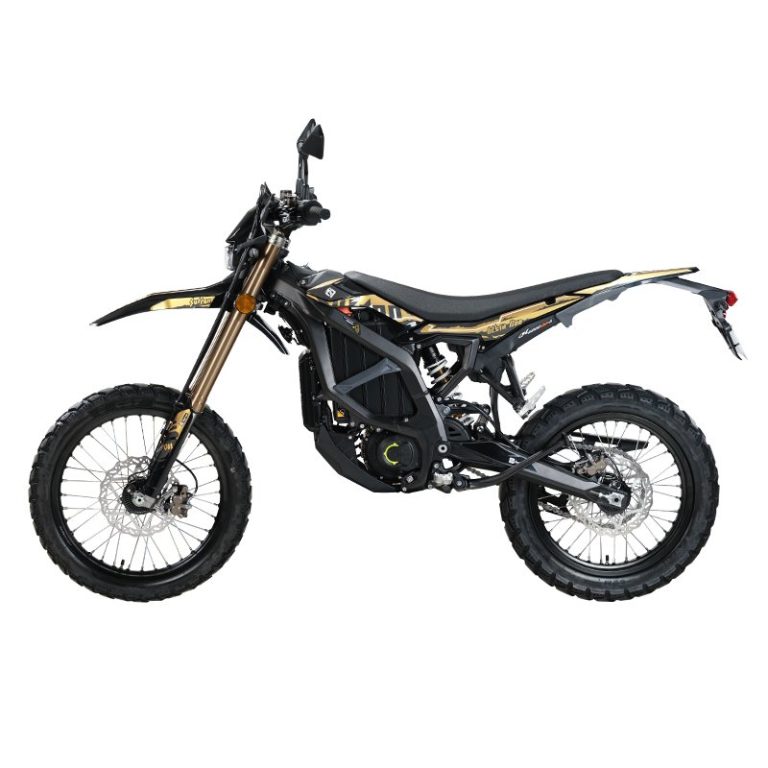
Dirt bikes Australia riders love come in more shapes and sizes than ever. For decades, the choice was simple: a petrol two-stroke or four-stroke from one of the big Japanese or European brands. Now, electric dirt bikes are one of the fastest-growing parts of the market, and many riders are asking which is better. This guide compares petrol and electric, shares nine amazing facts about riding here and explains where you can legally ride.
Whether you’re buying your first bike, returning to riding after a break or choosing a bike for your kids, you’ll find the essentials below. Rules and prices are current as of September 2026.
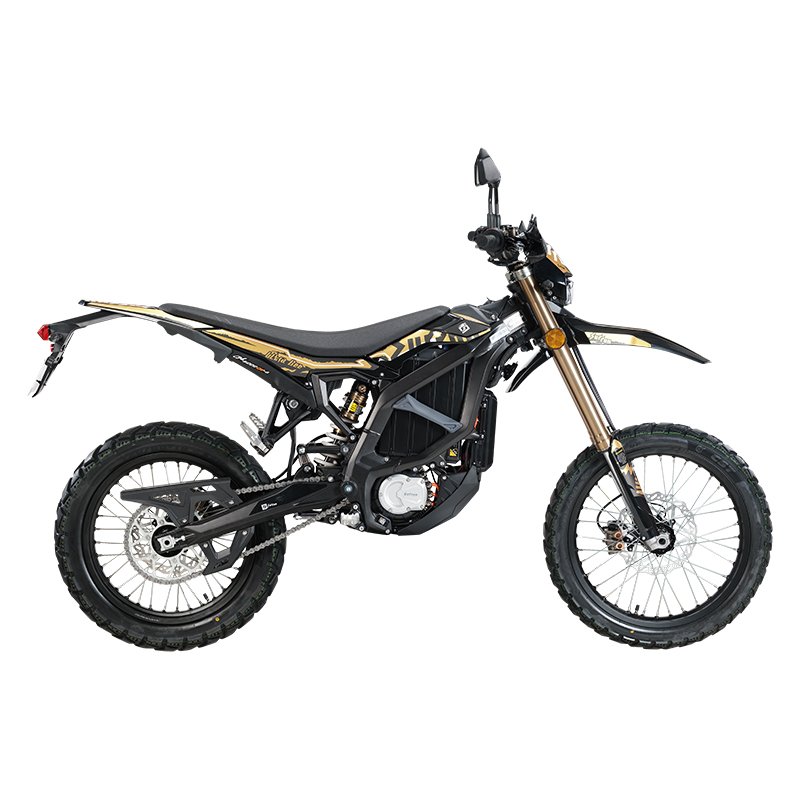
Dirt bikes Australia at a glance
| Type | What it’s for | Examples |
|---|---|---|
| Petrol motocross | Racing and track riding | 125–450 cc MX bikes |
| Petrol trail and enduro | Bush trails and long rides | 200–500 cc enduro bikes |
| Pit bikes | Fun, small and cheap | 110–150 cc minis |
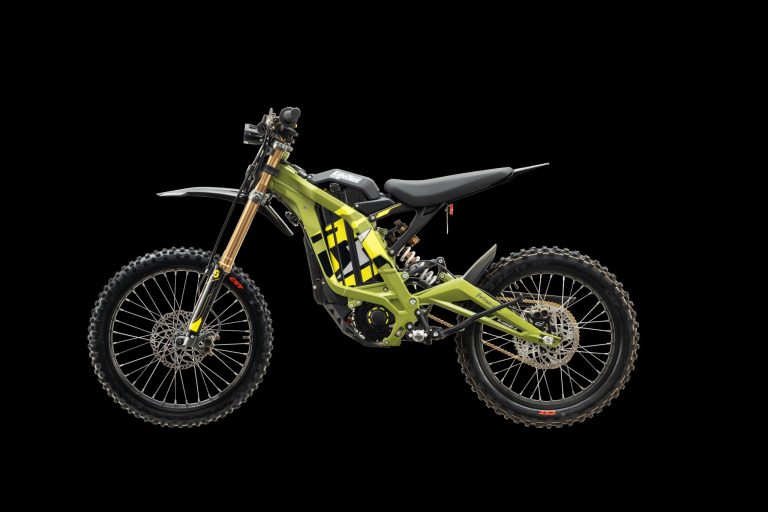
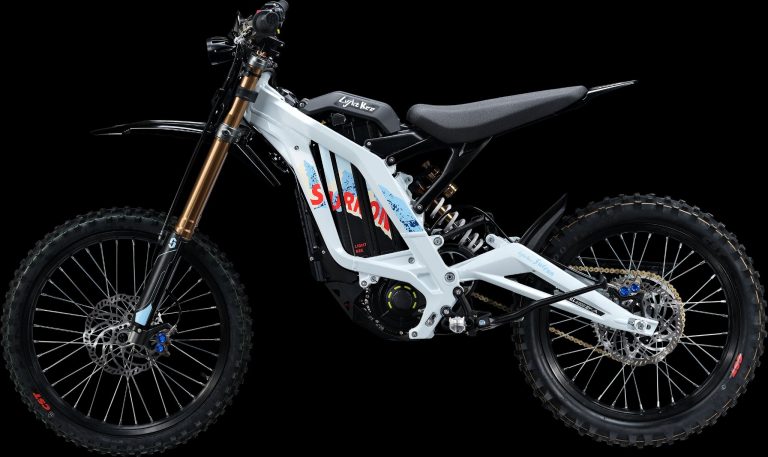
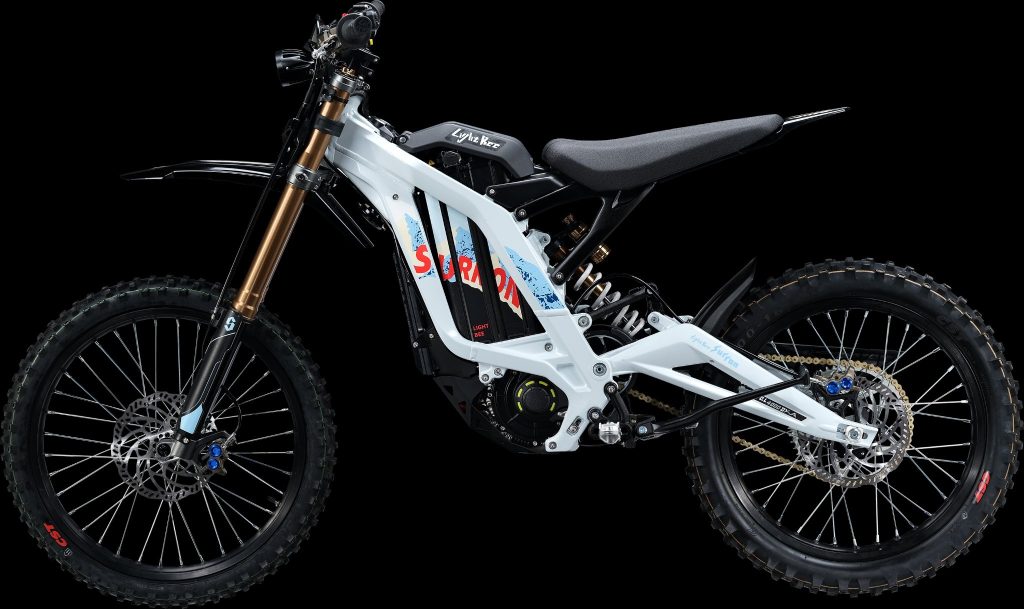
| Lightweight electric | Trails, tracks and properties | Surron Light Bee X, Talaria X3 |
| Full-size electric | Adults, trails and tracks | Surron Ultra Bee, E-Ride Pro SS 3.0 |
| Electric motocross | Racing | Stark Varg, KTM SX-E 5 |
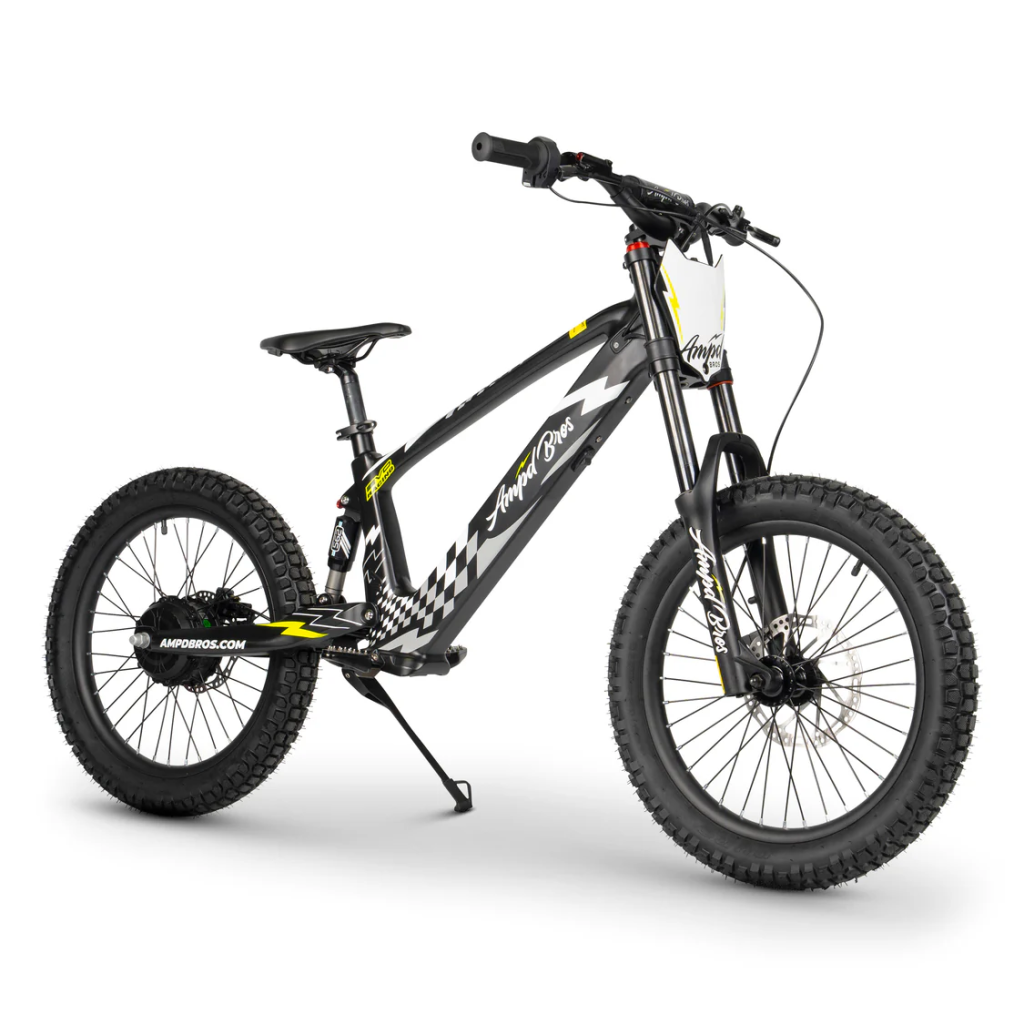
| Kids’ electric | Learning and junior riding | RFN Warrior, Surron Hyper Bee |
A short history of dirt bikes Australia riders grew up with
For most of the last fifty years, dirt bikes in Australia meant petrol bikes from Japanese and European brands. Farm bikes, motocross racers and trail bikes were part of growing up in the country, and junior motocross produced a long line of world-class riders.
Two-strokes dominated for decades, then four-strokes took over much of the market. Pit bikes arrived as a cheap, fun option for kids and adults alike. Then, in the late 2010s, the Surron Light Bee arrived and changed the conversation. Suddenly, dirt bikes Australia riders could buy were quiet, light and almost maintenance-free. Today, petrol and electric sit side by side at tracks and on farms across the country.
9 amazing facts about dirt bikes in Australia
1. Australia has one of the world’s great dirt bike cultures
From farm kids to world-class motocross racers, dirt bikes Australia-wide are part of everyday life. Motorcycling Australia is the national governing body for the sport, and clubs across the country run junior and senior events almost every weekend. Few countries have as much space, variety of terrain or enthusiasm for off-road riding.
2. Most dirt bikes Australia riders own can’t be ridden on the road
This surprises many new riders. Most motocross bikes and almost all electric dirt bikes are sold for off-road use only and can’t be registered. They can be ridden on private land with permission, at tracks and at approved off-road parks. Only road-approved bikes can be registered, such as enduro models built to comply or ADR-approved electric models like the Surron Ultra Bee HP.
3. Electric is the fastest-growing category
The Surron Light Bee created the lightweight electric category, and sales of electric dirt bikes Australia-wide have boomed since. Today, you can buy electric bikes for toddlers, teenagers, trail riders and motocross racers. Big manufacturers are joining in too, with KTM, Husqvarna and GASGAS selling electric bikes and Honda racing an electric prototype. Our electric dirt bikes Australia brands guide covers the main players.
4. Electric bikes cost a fraction to run
A full charge for an electric bike typically costs about $1 to $3. There’s no fuel, no oil changes, no air filters and no engine rebuilds. Petrol bikes, especially two-strokes, need far more regular maintenance. Our e dirt bike Australia costs guide breaks down the numbers.
5. Noise is a big deal
Noise complaints are one of the main reasons riding areas for dirt bikes Australia-wide close and neighbours object to riding on private land. Electric bikes are near silent, which makes them much easier to ride at home or on small properties. Some riders say it’s the single biggest advantage of going electric.
6. Petrol still wins on range and refuelling
A tank of fuel takes minutes to fill, while a battery can take hours to charge. For long days in remote areas or multi-day trail rides, petrol remains more practical. For most weekend rides and track sessions, modern electric bikes have more than enough range.
7. Club riding needs a licence
To ride at most club tracks and events, you need a Motorcycling Australia licence, and juniors have their own licences and conditions. The MA junior licence information explains the options. Many clubs now welcome electric bikes alongside petrol ones.
8. Every state has different rules
Where you can ride depends on your state. Victoria offers recreation registration for some trail bikes and allows riding in state forests on formed tracks with the right registration and licence. NSW state forests follow the rule “no licence, no rego, no ride”. Western Australia has permitted off-road areas such as Gnangara, Pinjar and Lancelin for bikes with off-road vehicle registration. Queensland has the Queensland Moto Park at Wyaralong.
9. The rules on illegal riding are getting tougher
States are cracking down on bikes ridden illegally on streets, footpaths and parks. NSW introduced seize-and-crush laws from 21 August 2026, Queensland introduced new e-motorbike penalties from 1 July 2026, and police in several states can seize and destroy illegal bikes. Our electric dirt bike laws guide explains the details.
Dirt bikes Australia: petrol vs electric compared
| Factor | Petrol | Electric |
|---|---|---|
| Noise | Loud | Near silent |
| Maintenance | Oil, filters, plugs, rebuilds | Minimal |
| Running cost | Fuel and oil | A few dollars per charge |
| Learning curve | Clutch and gears | Twist and go |
| Weight (lightweight class) | Heavier | Very light |
| Range | Long, refuel in minutes | Limited by battery and charge time |
| Power delivery | Builds with revs | Instant torque |
| Racing classes | Well established | Growing |
| Resale market | Large and mature | Growing fast |
Neither is better for everyone, and the dirt bikes Australia riders choose reflect that. The right choice depends on where and how you ride.
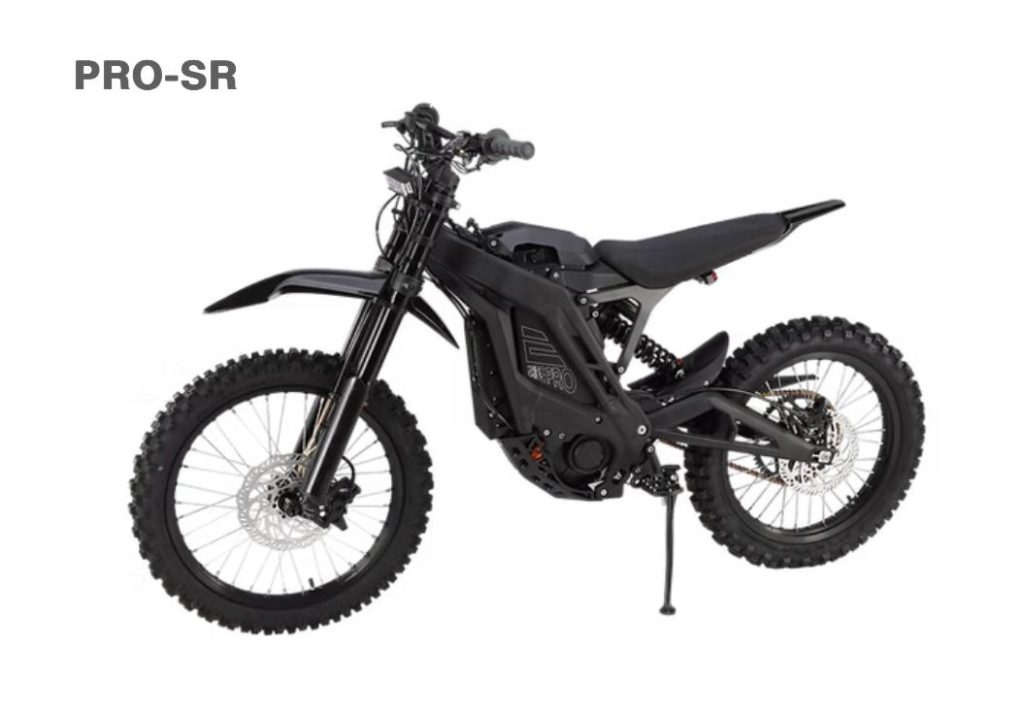
Which is right for you?
Choose electric if…
- you ride mostly on private land, especially near neighbours,
- you’re a beginner or buying for kids,
- you want low maintenance and running costs,
- your rides are a few hours or less,
- you love the idea of instant torque and silent riding.
Choose petrol if…
- you ride all day in remote areas with no power,
- you want to race in traditional classes,
- you plan multi-day trail rides,
- you enjoy working on engines and the sound of a petrol bike.
Many families end up with both. Our electric dirt bike guide explains how electric bikes work, and our electric motocross bike guide covers racing.
Where to ride dirt bikes Australia-wide
Legal places to ride include:
- Private property: with the landowner’s permission and without breaching local rules.
- Motocross tracks: club and commercial tracks, many of which welcome electric bikes.
- Off-road parks: public and private parks set aside for off-road vehicles.
- State forests: in some states, with the right registration and licence, on formed tracks only.
- Permitted off-road areas: such as those in Western Australia for bikes with off-road registration.
You can’t ride an unregistered bike on roads, footpaths, bike paths, beaches (except where specifically permitted), national parks or local parks. Victoria’s rules are summarised in the Conservation Regulator trail bike booklet, and our electric dirt bike Perth guide covers Western Australia.
Dirt bikes Australia rules by state
Every state manages off-road riding differently. Here’s a quick summary:
- Victoria: recreation registration for eligible trail bikes, and state forest riding on formed tracks with the right registration and licence.
- New South Wales: state forests follow “no licence, no rego, no ride”, and seize-and-crush laws started on 21 August 2026.
- Queensland: new e-motorbike penalties from 1 July 2026, with the Queensland Moto Park at Wyaralong a popular place to ride.
- Western Australia: off-road vehicle registration and permitted areas such as Gnangara, Pinjar, Kwinana (Medina) and Lancelin.
- SA, Tasmania, ACT and NT: unregistered bikes are limited to private land with permission and approved off-road areas.
Always check with your state’s transport department and land managers before riding. The rules for dirt bikes Australia-wide change often.
Kids and dirt bikes
Kids are the heart of dirt bikes Australia culture. Many start on electric balance bikes from about 3, and junior clubs cater for ages 6 to 16. Electric bikes have made starting easier than ever, with speed modes, parental controls and no clutch to learn.
Choose a bike that fits now, not one to grow into, and make sure your child wears full gear every time. Our kids dirt bike guide and kids electric motorbike stages guide explain how to choose.
Buying a dirt bike in Australia
Whether you choose petrol or electric, a few rules apply to all dirt bikes Australia dealers sell:
- Buy from a reputable dealer for warranty, genuine parts and after-sales support.
- Check compliance: know whether the bike is off-road only or road-approved.
- Check the history of used bikes: receipts, frame numbers and crash damage.
- Budget for gear: a complete entry-level set costs around $600 to $1,500.
- Plan where you’ll ride before you buy.
Our electric dirt bike for sale guide lists the checks to make on any bike.
Respecting landowners and neighbours
Access to riding land is precious. If you ride on someone else’s property, get clear permission, stick to agreed areas and times, close gates behind you and leave no rubbish. If you ride at home, keep sessions reasonable and talk to neighbours before problems start.
Petrol bikes are the main source of noise complaints, which is one reason many families choose electric. Whatever you ride, good manners keep dirt bikes Australia-wide welcome in more places. A few respectful riders can keep a property or track open for years, while a few careless ones can close it for everyone.
Safety basics for every ride
- Wear full gear every time, even for a quick lap.
- Check your bike before every ride: tyres, brakes, chain and throttle.
- Ride within your limits, especially on new terrain.
- Ride with a friend, or tell someone where you’re going.
- Carry water, a phone and a basic first aid kit.
These simple habits prevent most injuries.
Joining a club
Clubs are the backbone of dirt bikes Australia culture. They run tracks, practice days, coaching and race meetings, and they’re one of the best ways to meet other riders. Many have junior programs, and more and more welcome electric bikes.
To join, you’ll usually need a Motorcycling Australia licence and a bike that meets the club’s rules. Most clubs are volunteer-run, so helping out at events is part of the deal and a great way to become part of the community.
Maintenance basics: petrol vs electric
Petrol bikes need regular oil and filter changes, air filter cleaning, spark plugs, coolant and, for two-strokes, top-end rebuilds. Electric bikes skip nearly all of that. Both need the same care for tyres, brakes, chains, sprockets, bearings and suspension.
For busy families, that difference is huge. Many dirt bikes Australia riders buy today are electric partly because they spend more time riding and less time in the shed.
Transporting your bike
Because most bikes can’t be registered, you’ll need a way to get to the track. Lightweight electric bikes fit on motorcycle tow-bar racks, while full-size petrol and electric bikes are better on a trailer or in a ute. Use soft ties and proper ratchet straps, and lock the bike when you stop. Theft of dirt bikes Australia-wide is common, so secure your bike at home too.
Gear for every rider
Every rider needs a certified helmet, goggles, gloves, motocross boots, knee guards and a chest protector, whatever they ride. Petrol riders also need pants that protect against hot exhaust parts. Our dirt bike gear checklist explains what to buy and how it should fit.
Dirt bikes Australia prices
- Kids’ electric bikes: from under $2,500.
- Pit bikes: often the cheapest petrol option.
- Lightweight electric bikes: from about $5,500 to $9,000.
- Full-size electric bikes: from about $10,000.
- New petrol motocross and enduro bikes: typically well over $10,000 for current models.
Running costs matter as much as the purchase price when comparing dirt bikes Australia stores stock. Over a few years, the savings on fuel and servicing can make electric the cheaper choice overall.
Popular dirt bikes Australia riders are choosing in 2026
On the electric side, these are some of the most popular choices:
- Surron Light Bee X (2026): 10 kW, 80 km/h and 59 kg, for teens and lighter adults.
- Surron Ultra Bee HP: 24.5 kW and 95 km/h, with ADR-approved versions for road registration.
- Talaria X3 Pro: a value lightweight trail bike with upgraded suspension.
- E-Ride Pro SS 3.0: 15.8 kW and 100 km/h in a full-size chassis.
- Stark Varg MX 1.2: premium motocross performance with up to 80 hp.
- Surron Hyper Bee: 8 kW and 65 km/h for kids up to 55 kg.
Our best electric dirt bike Australia picks rank these and more. On the petrol side, the big Japanese and European brands still offer strong motocross and enduro ranges, and many dirt bikes Australia riders own are still petrol.
Common mistakes new riders make
- Riding in public on an unregistered bike. It’s illegal and can lead to fines and seizure.
- Buying too much bike. Big power overwhelms new riders.
- Skipping gear. Most injuries happen at low speed, often without full protection.
- Riding alone in remote areas. Always tell someone where you’re going.
- Ignoring maintenance. Loose chains, worn brakes and low tyre pressures cause crashes.
Avoiding these mistakes makes riding dirt bikes Australia-wide safer and more enjoyable for everyone, and helps keep riding areas open.
The future of dirt bikes Australia
Expect more electric options, better batteries and more road-legal models. Big manufacturers are investing in electric motocross, and safety standards and import rules are tightening. At the same time, petrol bikes will remain popular for racing and remote riding for years to come.
The biggest challenge is access. Keeping riding areas open depends on riders following the rules, respecting neighbours and landowners, and supporting clubs. Quiet electric bikes may help, making it easier to ride without complaints.
Electric dirt bikes from us
We specialise in electric dirt bikes for kids, teens and adults, from Surron, E-Ride Pro and RFN, with parts and upgrades, from our locations in Albert Park, Victoria, and Rosny Park, Tasmania. Browse our electric bikes and e-motos or contact us for advice.
Dirt bikes Australia FAQs
Can you ride dirt bikes on the road in Australia?
Only registered, road-approved bikes ridden by licensed riders. Most dirt bikes are off-road only.
Are electric dirt bikes better than petrol?
For many riders, yes: they’re quieter, cheaper to run and easier to learn. Petrol still wins on range and refuelling.
Where can I ride my dirt bike in Australia?
On private property with permission, at tracks and off-road parks, and in some state forests with the right registration and licence.
Do I need a licence to ride a dirt bike?
Not on private property. Club tracks and events usually require a Motorcycling Australia licence, and public roads require a motorcycle licence.
What are the best dirt bikes Australia beginners can buy?
For kids, a small electric bike like the RFN Warrior SX-E500. For teens and lighter adults, the Surron Light Bee X or Talaria X3 Pro. For bigger adults, a full-size electric bike like the Surron Ultra Bee.
How much do dirt bikes Australia dealers sell cost?
From under $2,500 for small kids’ electric bikes to well over $10,000 for full-size and premium bikes.