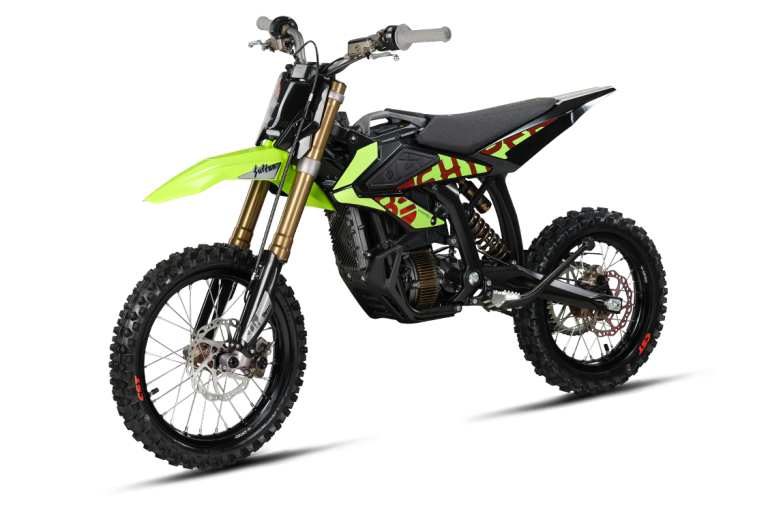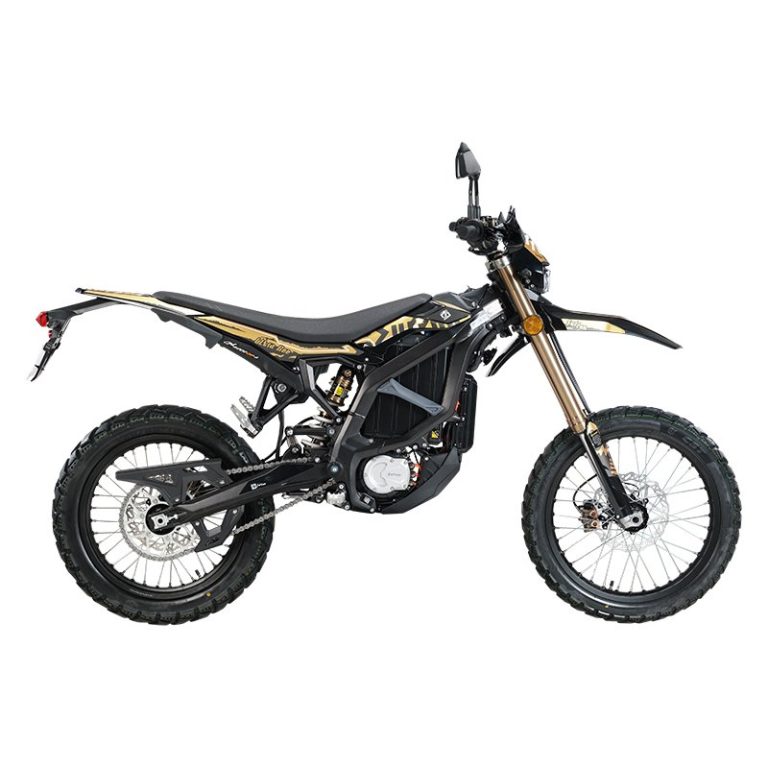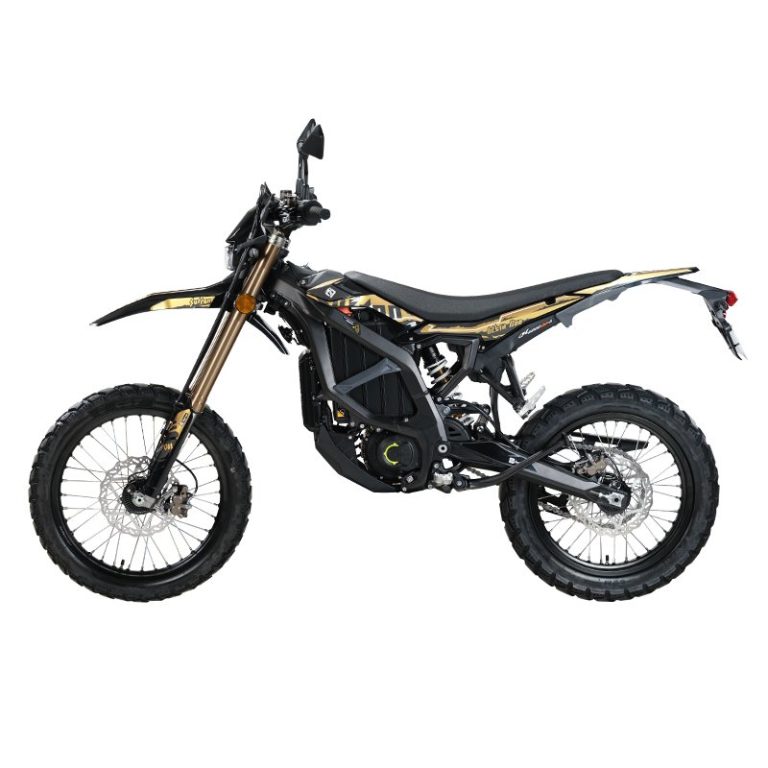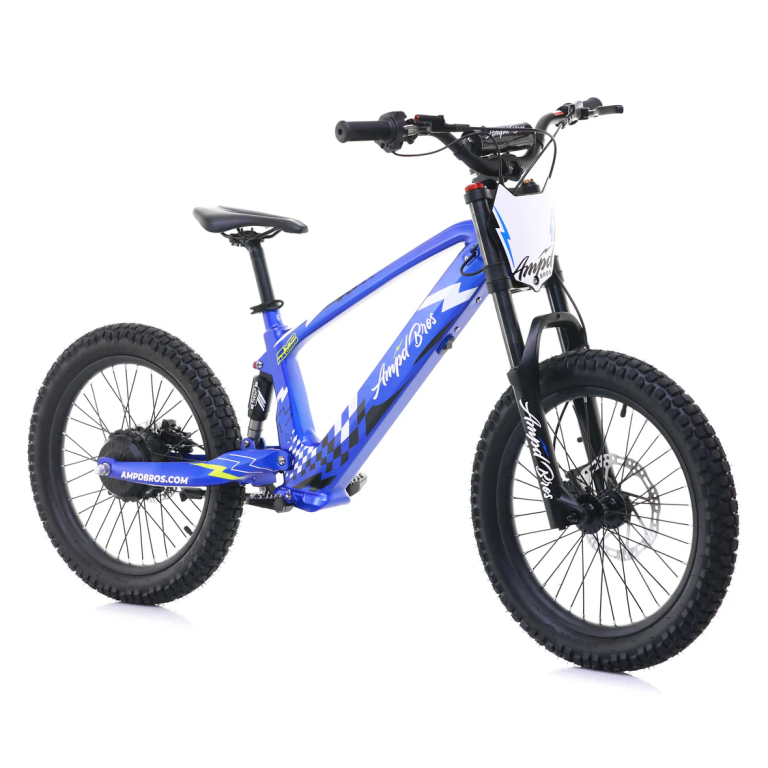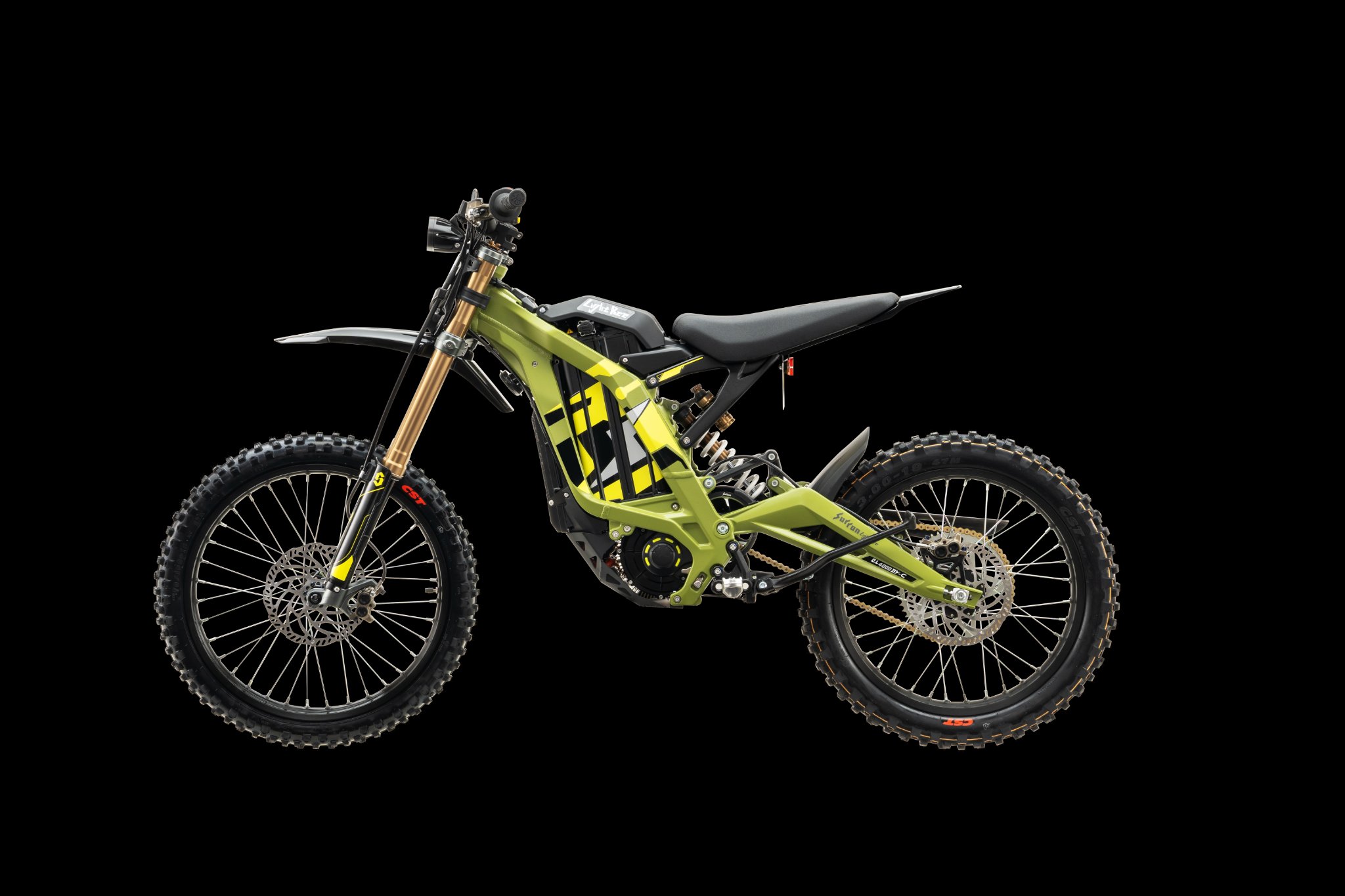
Electric dirt bike Australia rules have changed more in the last two years than in the previous twenty. Sales of Surrons, Talarias and other e-motos have boomed, and so have complaints about bikes being ridden on streets, footpaths and parks. State governments have responded with new definitions, bigger fines and powers to seize and crush bikes. If you’re one of the thousands of electric dirt bike Australia owners, or you’re about to buy, you need to know where you can and can’t ride.
This guide explains electric dirt bike Australia laws state by state, where you can legally ride, how registration works, the rules for kids, and the best places to ride. It’s based on official government sources current as of September 2026. Laws change, so always check your state’s transport department before you ride.
Electric dirt bike Australia basics: why it’s not an e-bike
This is the starting point for every electric dirt bike Australia question. Across the country, a legal electric bicycle must:
- have working pedals that are the main source of propulsion,
- have a motor of no more than 250 W continuous output (NSW currently allows 500 W until 1 March 2029),
- stop assisting at 25 km/h,
- only use a throttle, where allowed at all, up to 6 km/h.
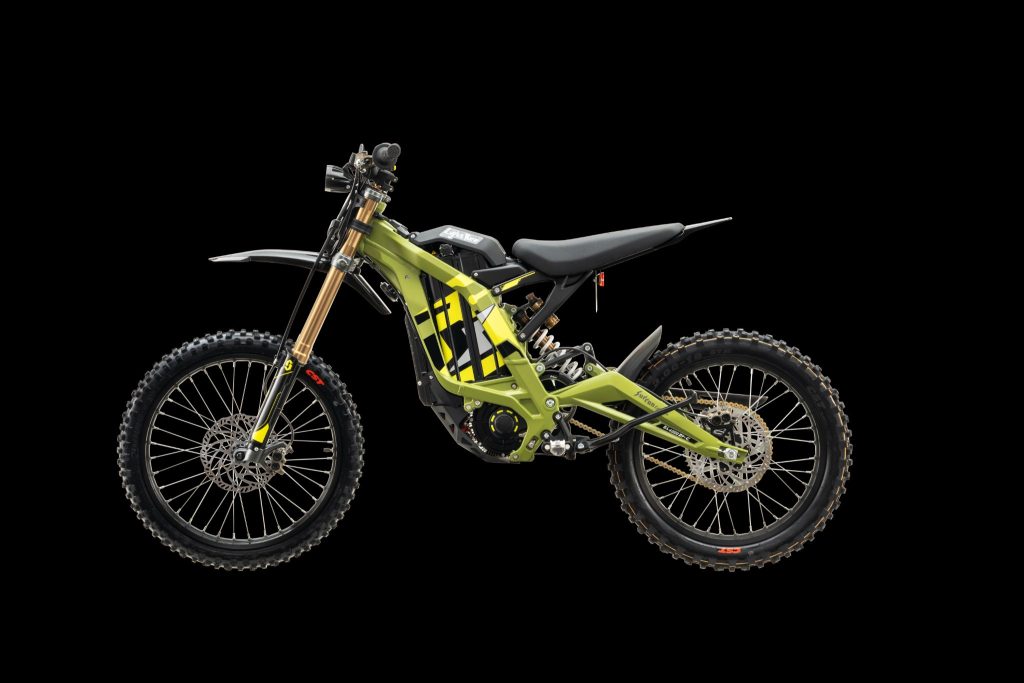
An electric dirt bike has no pedals and typically between 5 kW and 25 kW of peak power. That’s 20 to 100 times the e-bike limit. So, legally, it’s a motor vehicle. If it isn’t registered, it can’t be ridden anywhere a motor vehicle needs to be registered, which means roads, footpaths, bike paths, beaches, parks and most public land.
Victoria makes this explicit. According to Victoria Police’s e-bike safety page, any electric bike over 250 W, or whose motor keeps running above 25 km/h, is classified as a motor vehicle.
The electric dirt bike Australia golden rule: private land or approved areas
Under electric dirt bike Australia law, the legal options for an unregistered bike are the same in every state:
- Private property with the landowner’s permission.
- Approved off-road parks and permitted areas set aside for off-road vehicles.
- Motocross and club tracks, subject to club membership and licences.
Anywhere else, you risk fines, having the bike seized, and being uninsured if you injure someone.
Electric dirt bike Australia laws by state
Victoria
- Unregistered motorcycles can only be used on private property.
- Recreation registration exists for trail bikes and allows riding on formed, open roads on public land, but not freeways, arterial roads or built-up areas. It costs about $93.10 for 12 months, the applicant must be 18 or older, and the bike needs a headlight, mirror, horn and a noise level of 94 dBA or less.
- Riding in state forests requires full or recreation registration plus a motorcycle licence or learner permit, and you must stay on formed tracks.
- Minibikes are for riders under 12 and can only be ridden on private property or club tracks.
The Victorian rules are summarised in the Conservation Regulator trail bike booklet. Most bikes sold in Victoria are off-road only, so for Victorian electric dirt bike Australia riders, private property and tracks are the main options.
New South Wales
- State forests follow the rule “no licence, no rego, no ride”. Riding is on formed roads and fire trails only, and trail bikes are banned in some forests, including Cumberland and Strickland.
- Motocross and pit bikes are for private property and competition only.
- Conditional registration for recreational bikes is limited to Stockton Beach, which also needs a beach permit.
- New seize-and-crush laws took effect on 21 August 2026, and police can carry out roadside dyno testing of e-bikes.
- Junior clubs cater for ages 6 to 16, with ages 4 and 5 limited to recreational riding.
Queensland
Queensland has some of the toughest electric dirt bike Australia rules.
- Non-compliant e-motorbikes can only be ridden on private property.
- Parks and forests require full registration and a licence, and conditionally registered bikes aren’t allowed.
- From 1 July 2026, fines apply for riding an unregistered e-motorbike ($276), uninsured (up to $690), without a licence ($575) and without a helmet ($518).
- Police can seize and destroy clearly illegal devices.
- Parents can be fined for allowing a child to ride a non-compliant device in public.
The full details are on the Queensland StreetSmarts e-motorbike page.
Western Australia
WA is different from the rest of the electric dirt bike Australia picture, because it has a registration system specifically for off-road vehicles under the Control of Vehicles (Off-road Areas) Act 1978.
- Off-road vehicles must be registered unless they’re road-licensed or used only on private land with the owner’s consent.
- Off-road vehicle registration costs about $35, plus $15 for plates, and expires on 30 September each year.
- The owner must be 18 or older.
- Nobody under 8 may be in charge of a vehicle in an off-road area.
- Helmets are compulsory.
- No driver’s licence is needed in permitted areas.
Permitted areas include Gnangara, Pinjar, Kwinana (Medina), Lancelin, Ledge Point, York and Karratha. Our electric dirt bike Perth guide covers WA in detail.
Other states and territories
South Australia, Tasmania, the ACT and the Northern Territory follow the same basic principle: an unregistered electric dirt bike is a motor vehicle and can only be ridden on private property with permission or in areas specifically approved for off-road vehicles. Each has its own rules for registration, forests and parks, so check with your local transport department and land manager before riding.
Electric dirt bike Australia fines and crackdowns in 2026
Enforcement has increased sharply. Recent examples include:
- NSW: seize-and-crush laws and roadside dyno testing from 21 August 2026.
- Queensland: new e-motorbike penalties from 1 July 2026, and powers to seize and destroy illegal devices.
- Western Australia: police in Joondalup seized and crushed 36 illegal e-rideables and charged 25 young people aged 11 to 16 during a January 2026 operation.
The message for electric dirt bike Australia riders is clear: riding an unregistered bike in public is no longer something police ignore.
Electric dirt bike Australia registration: can you register one?
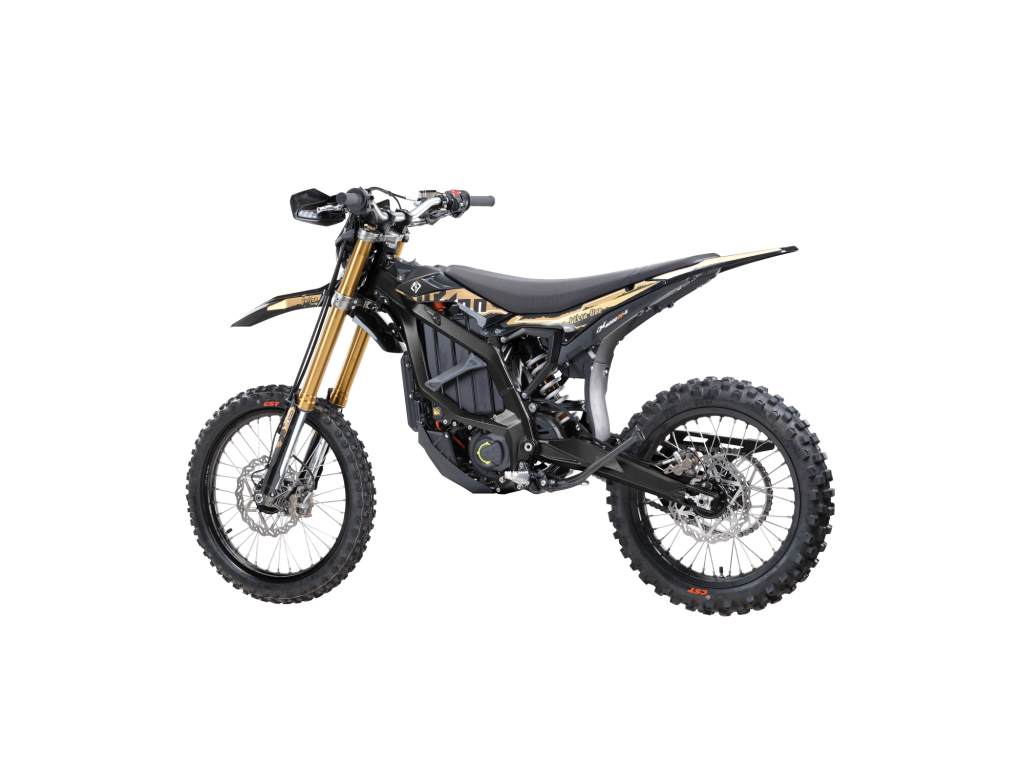
Most electric dirt bikes can’t be registered because they don’t comply with Australian Design Rules. A few models are built to comply:
- Surron Ultra Bee HP (ADR-approved versions) – can be registered as a motorcycle in R or T form. See our Surron Ultra Bee guide and the Ultra Bee HP road-registerable version.
- Talaria Sting Pro MX5 L1E – ADR-approved but restricted to 50 km/h.
- Stark Varg EX – homologated in Australia, with licence requirements varying by state.
A registered bike needs a motorcycle licence (or, for some 50 km/h mopeds, a car licence in certain states), registration and compulsory third party insurance.
Electric dirt bike Australia rules for kids
Kids are the group most affected by the new electric dirt bike Australia rules. Across the country:
- Kids can ride an unregistered electric dirt bike on private property with permission and at approved tracks and parks.
- They can’t ride on streets, footpaths, parks or beaches.
- Several areas set minimum ages and supervision rules. In WA, nobody under 8 can be in charge of an off-road vehicle, and Lancelin requires adult supervision for under-16s.
- Motorcycling Australia junior licences start at age 6.
Queensland has also introduced a minimum age of 16 for riding legal e-bikes in public from 31 August 2026, and NSW is introducing a minimum e-bike riding age. Our electric dirt bike for kids safety guide explains what parents need to know.
Best electric dirt bike Australia riding spots
The best electric dirt bike Australia riding spots are the ones where you’re legal and welcome.
- Your own property or a friend’s rural block, with permission and consideration for neighbours.
- Motocross and junior club tracks, which often run practice days. Victoria’s Broadford complex, for example, runs practice days that require a Motorcycling Australia licence or one-event licence.
- Queensland Moto Park at Wyaralong, which welcomes riders from age 4 and requires an AS/NZS 1698 helmet.
- WA permitted off-road areas such as Pinjar, Gnangara and Lancelin, with off-road vehicle registration.
- Private riding parks and farms that charge a day fee, which are increasingly popular for families.
- Registered trail riding in state forests, if your bike is registered and you hold a licence.
- Organised events and coaching days, which are great for learning and meeting other riders.
Insurance and liability
Insurance is one of the least understood parts of electric dirt bike Australia ownership. Every state requires compulsory third party (CTP) insurance for registered vehicles, which covers injuries you cause to other people on the road. An unregistered bike has no CTP. That means if you injure someone while riding illegally in a public place, you could be personally liable for their medical costs and compensation, which can run into hundreds of thousands of dollars.
For bikes kept at home and ridden on private land, consider:
- Theft and damage cover. Many insurers offer policies for off-road motorcycles, including electric models, stored at home.
- Home and contents. Check whether your policy covers the bike, and whether it covers charging a lithium battery in your garage.
- Public liability. If other people ride on your property, talk to your insurer about liability cover.
Clubs and organised events usually include some insurance through their licence and membership structures, which is another good reason to ride at a club.
What happens if you ride illegally?
Depending on the state, riding an unregistered electric dirt bike in public can lead to fines for riding unregistered, uninsured, unlicensed and without a helmet, adding up to well over $1,000. Police may seize the bike, and in some states crush it. Most importantly, if you injure someone, you won’t have compulsory third party insurance and could be personally liable.
Electric dirt bike Australia tips for riding legally
- Always get written permission to ride on someone else’s property.
- Keep noise, dust and speed down near houses and livestock.
- Transport the bike on a trailer or in a ute to and from riding areas. Never ride it on the road to get there.
- Wear full gear every time. Our dirt bike gear guide explains what’s required.
- Join a club. It’s the best way for electric dirt bike Australia riders to find legal places to ride.
- Respect other trail users, who may not hear you coming.
Electric dirt bike Australia checklist before every ride
Before you head out, run through this quick electric dirt bike Australia checklist. It takes two minutes and keeps you legal and safe.
- Location – are you on private land with permission, or in an approved off-road area?
- Registration – if you’re in WA, is your off-road vehicle registration current? If you’re on public land anywhere, is the bike fully registered?
- Licence – do you hold the licence required for where you’re riding?
- Transport – is the bike going to and from the riding area on a trailer or in a ute, not ridden on the road?
- Gear – helmet, goggles, gloves, boots and body armour on?
- Bike check – brakes, tyres, chain and battery charge checked?
- Supervision – is an adult watching any young riders?
- Neighbours – are you keeping noise, dust and speed down near houses and livestock?
How electric dirt bike Australia laws compare with petrol bikes
It surprises many buyers, but electric and petrol dirt bikes are treated the same way. An unregistered petrol pit bike has the same restrictions as an unregistered e-moto. What’s different is how easy electric bikes are to ride quietly in suburban areas, which is exactly why enforcement has focused on them. If you’re coming from petrol, the electric dirt bike Australia rules will feel familiar: private land, approved areas, registered trail riding, and nothing else.
The good news is that quiet electric bikes are far more welcome on private properties and at many riding parks, because they don’t cause the noise complaints that have closed so many petrol riding areas over the years.
Where electric dirt bike Australia laws are heading
Several changes are already under way, and more are likely:
- National e-bike safety standard. The ACCC is developing a national safety standard for e-bikes and similar devices, with consultation expected by late 2026.
- Import rules. EN 15194 was reinstated as the import standard for e-bikes at the end of 2025, which should reduce the number of over-powered bikes sold as “e-bikes”.
- NSW moving to 250 W. From 1 March 2029, only 250 W EN 15194-certified e-bikes will be road legal in NSW.
- Minimum ages. Queensland has introduced a minimum age of 16 for riding legal e-bikes in public, and NSW is introducing its own minimum age.
None of these changes affect riding a properly used electric dirt bike on private property. They’re aimed at illegal riding in public places.
What to do if you’re unsure about a location
If you’re not sure whether an area is legal, don’t ride there until you’ve checked. Contact the land manager, whether that’s the local council, the state forestry body or national parks, or the club that runs the track. Ask specifically about unregistered electric motorbikes, as some areas that allow bicycles or walkers don’t allow motorised vehicles of any kind. Get permission in writing where you can.
For private land, a simple written note from the owner saying you have permission to ride, and where, protects both of you if there’s ever a question from police or a neighbour.
Buying from an electric dirt bike Australia specialist
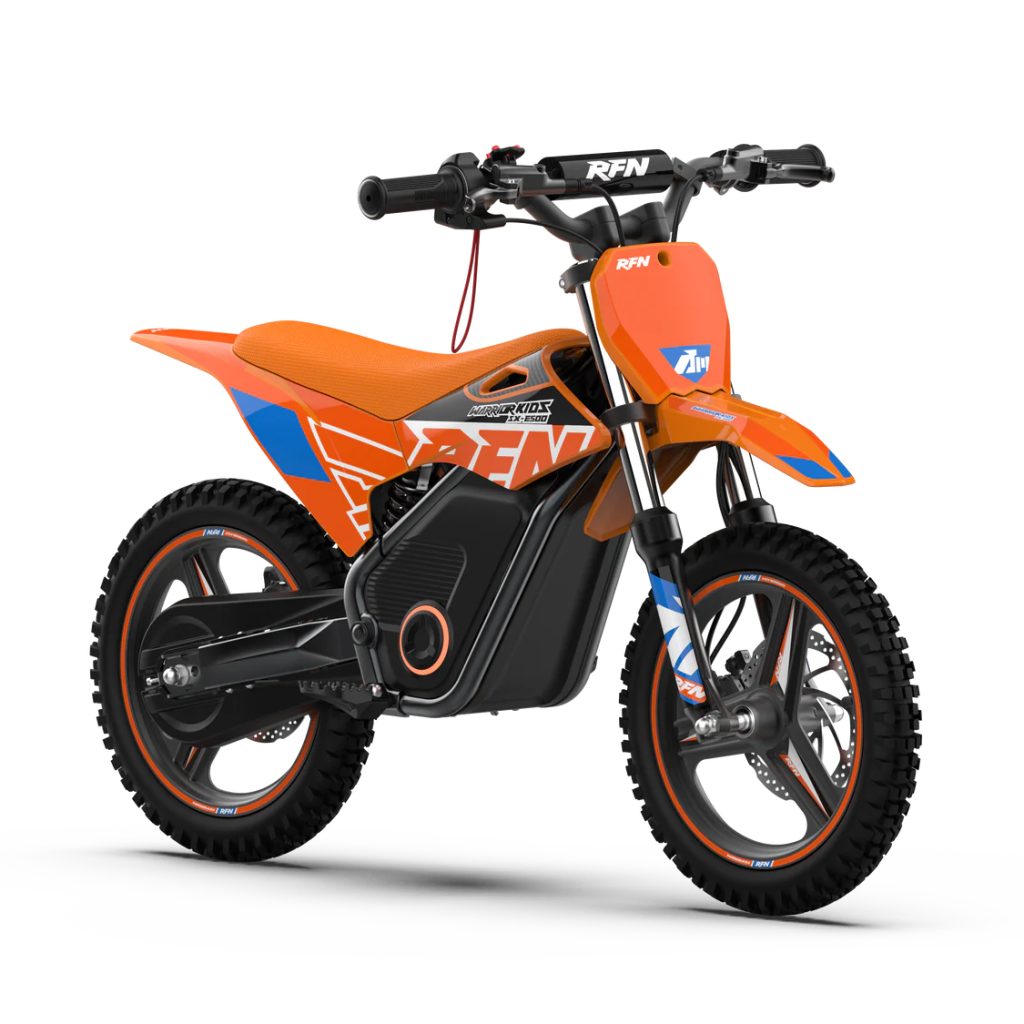
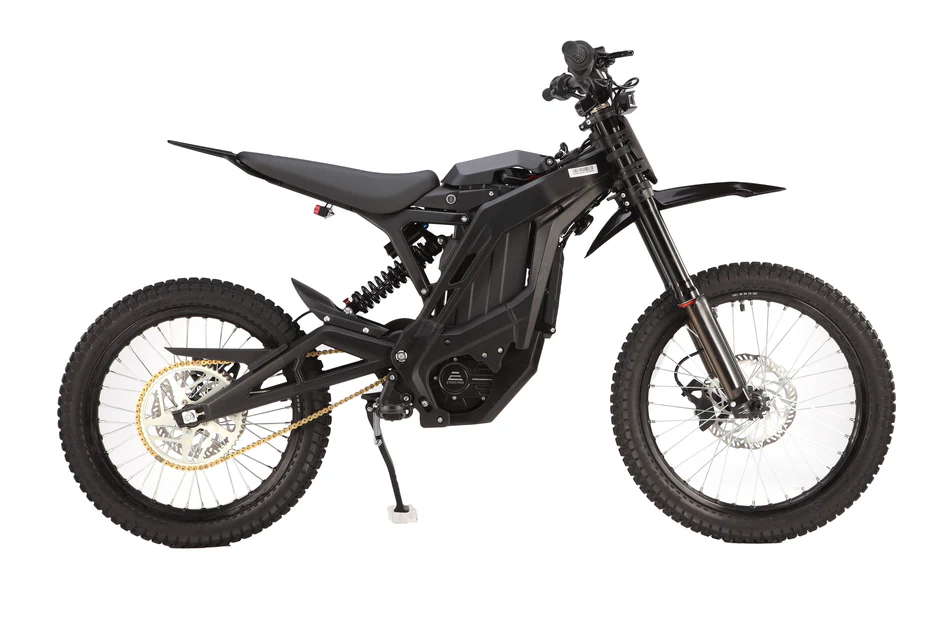
We sell electric dirt bikes for kids, teens and adults from our locations in Albert Park, Victoria, and Rosny Park, Tasmania, with a VIP motor courier service on bikes. We’re always happy to explain electric dirt bike Australia rules for your state before you buy. Browse our electric bikes and e-motos, or contact us with any questions.
Electric dirt bike Australia FAQs
Is it legal to ride an electric dirt bike in Australia?
Yes, on private property with permission and in approved off-road areas. Unregistered electric dirt bikes can’t be ridden on roads, footpaths or public land.
Do I need a licence to ride an electric dirt bike on private property?
No licence is needed on private property in most states, but you need the landowner’s permission. A licence is required for registered road riding and in many public riding areas.
Can I register my Surron or Talaria?
Only if it’s an ADR-approved model, such as approved versions of the Surron Ultra Bee HP or the Talaria Sting Pro MX5 L1E. Standard off-road models can’t be registered.
What are the fines for riding an unregistered electric dirt bike?
They vary by state. In Queensland, for example, fines from 1 July 2026 include $276 for riding unregistered and $575 for riding without a licence.
Can kids ride electric dirt bikes in parks?
No. Public parks aren’t approved off-road areas. Kids can ride on private property with permission and at approved tracks.
Which electric dirt bike Australia models can be registered?
At the time of writing, examples include ADR-approved versions of the Surron Ultra Bee HP, the Talaria Sting Pro MX5 L1E (limited to 50 km/h) and the Stark Varg EX. Always confirm with the dealer that the specific bike is ADR-approved.
Do electric dirt bike Australia laws apply on farms?
On your own farm, or a farm where you have permission, you can ride an unregistered bike. Once you leave the property onto a road or public land, registration and licence rules apply.