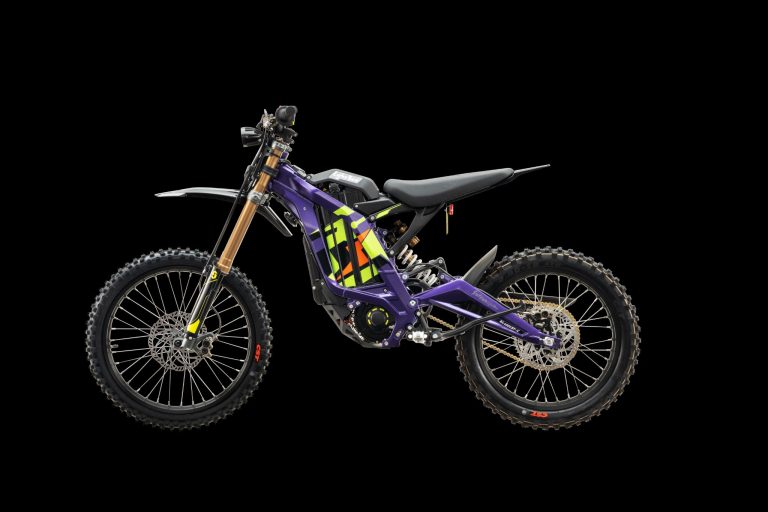
The electric motocross bike has gone from science project to podium contender in just a few years. Stark’s Varg has taken on petrol bikes at the highest levels, KTM and its sister brands build electric minis for junior racers, and Honda and Yamaha are developing factory electric machines. For Australian riders, the question is no longer whether an electric motocross bike can compete, but which one suits you.
This guide explains what makes an electric motocross bike different from a trail-focused e-moto, compares the race-ready models you can buy in Australia, looks at the factory prototypes, and covers licences, tracks and running costs. Specs and prices are current as of September 2026.
What is an electric motocross bike?
An electric motocross bike is a battery-powered off-road motorcycle built specifically for motocross tracks: jumps, whoops, berms and ruts at race pace. Compared with a trail-focused electric dirt bike, it typically has:
- Stiffer, longer-travel suspension designed for big jumps and hard landings.
- Race geometry with a taller seat and sharper steering.
- Race-level power, often adjustable through software.
- Motocross tyres and a 21-inch front wheel on full-size bikes.
- Minimal extras, with no lights or road equipment on MX versions.
Lightweight e-motos like the Surron Light Bee X can be ridden on a motocross track, and many riders enjoy them there. But a dedicated electric motocross bike is built to handle full-size jumps lap after lap.
Why ride an electric motocross bike?
- Noise. Electric bikes are dramatically quieter, which helps tracks near residential areas stay open.
- Instant torque. Maximum torque from zero rpm gives incredible drive out of corners.
- No clutch or gears. Riders can focus entirely on lines, body position and timing.
- Adjustable power. Many bikes let you tune power from beginner-friendly to full race output.
- Low maintenance. No oil changes, air filters, top-end rebuilds or jetting.
- Consistent performance. Electric motors don’t lose power in heat or altitude the way petrol engines can.
The main trade-offs are purchase price, weight on some models, and battery range for long practice days.
The best electric motocross bike options in Australia
1. Stark Varg MX 1.2 – the benchmark
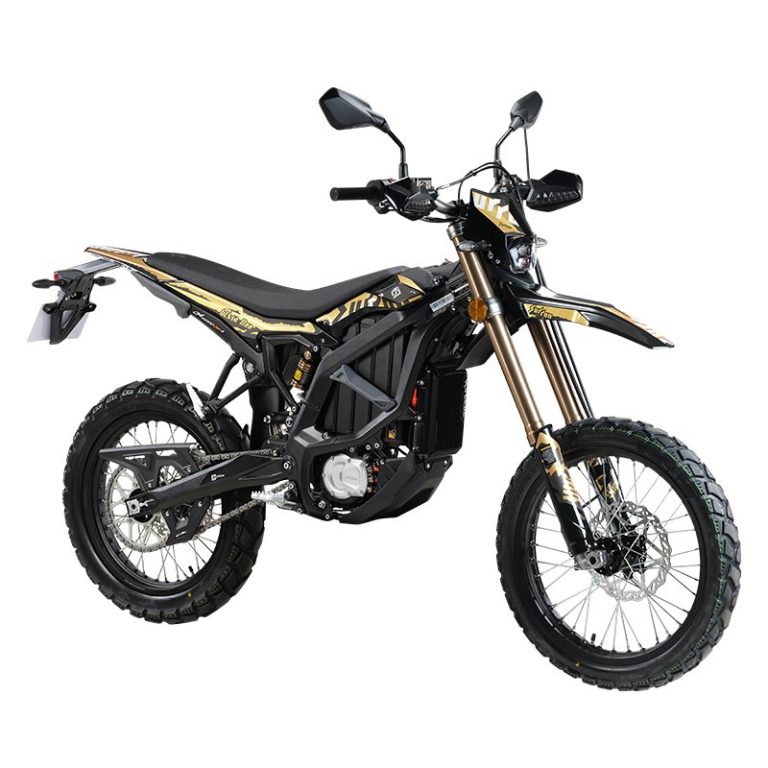
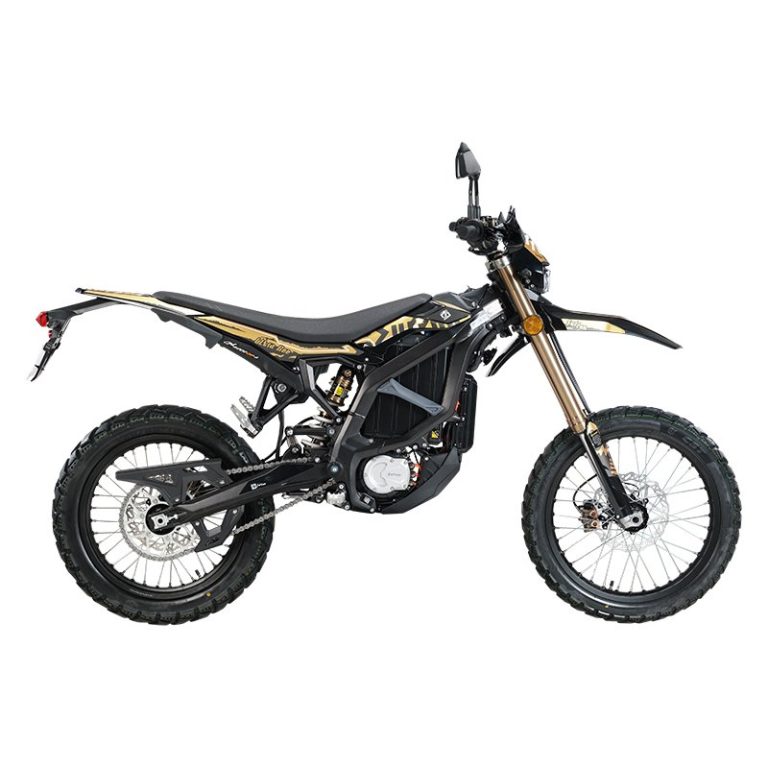
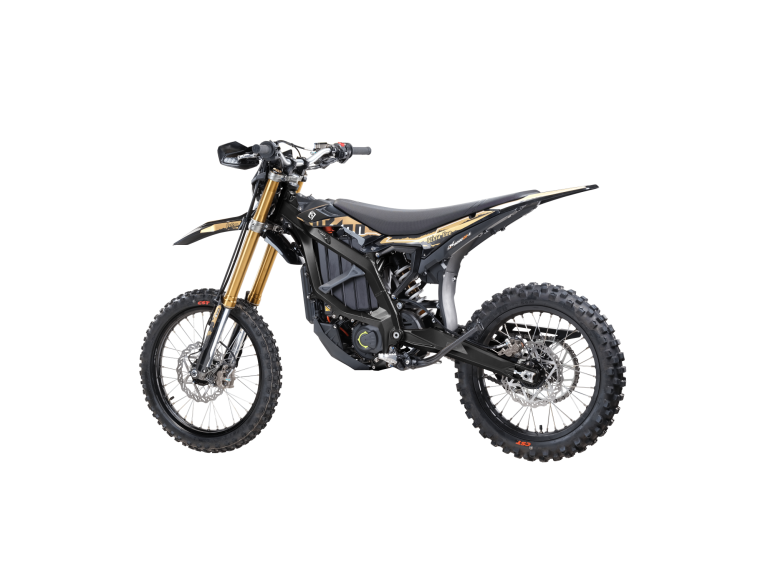
Stark Future is a Spanish company founded in 2019 near Barcelona, and its Varg arrived in December 2021 claiming 80 hp. The 2026 Varg MX 1.2 comes in 60 hp and 80 hp (Alpha) versions, with power adjustable from 10 to 80 hp, a 7.2 kWh battery, a 118 kg weight, 978 Nm at the rear wheel and a 960 mm seat height. Stark quotes about two hours to charge at 240V. You can see full details on the official Stark Varg page.
In Australia, the Varg MX 1.2 is advertised at roughly $19,000 to $20,500. It’s the most serious electric motocross bike on sale and genuinely competitive with petrol 250s and 450s.
Best for: adult racers and experienced track riders.
2. Stark Varg EX and SM – race-bred with road homologation
The Varg EX is the enduro version, with a 7.2 kWh battery and a 120 kg weight, and it’s homologated for road use in Australia. The SM is the supermoto version. They’re listed at around $20,990 to $22,990 at some dealers. They’re not pure motocross bikes, but they share the Varg’s race DNA.
Best for: riders who want Stark performance plus road registration.
3. KTM SX-E 5 – the junior racer
The SX-E 5 is KTM’s electric mini motocross bike, positioned as an alternative to 50cc petrol minis. It has 5 kW peak, 2 kW rated, a 907 Wh battery, a 682 mm seat height, 12-inch front and 10-inch rear wheels and weighs about 40.5 kg. It’s about $9,995 ready to ride in Australia.
Best for: kids moving into junior motocross.
4. Husqvarna EE 5 and GASGAS MC-E 5 – the sister models
These share the SX-E 5’s 5 kW power and 907 Wh battery. The Husqvarna EE 5 offers six ride modes. Australian availability and pricing vary, so check with local dealers.
Best for: families who prefer Husqvarna or GASGAS styling.
5. KTM SX-E 2.12 – first steps towards racing
KTM’s smallest electric bike has 1.8 kW, weighs 27 kg and costs about $3,895. It’s a great way to build skills before stepping up to a 5 kW mini. Our KTM electric dirt bike guide covers the whole KTM range.
Best for: young kids starting out.
6. E-Ride Pro SR – the affordable track weapon
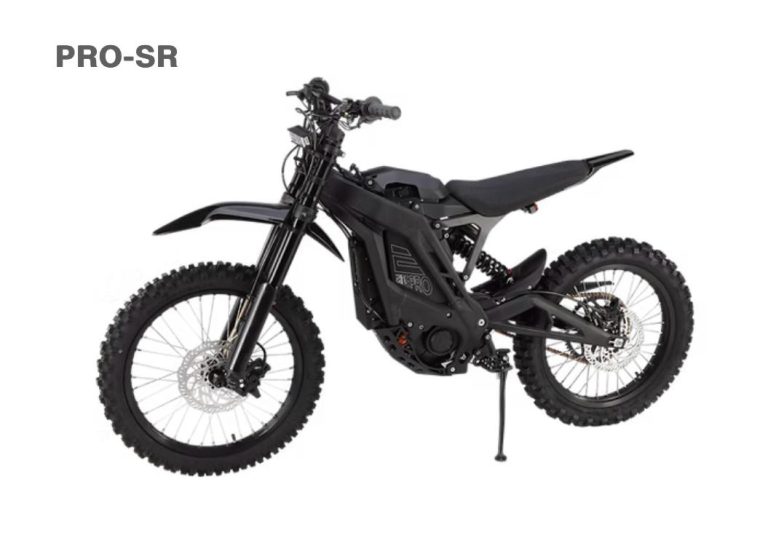
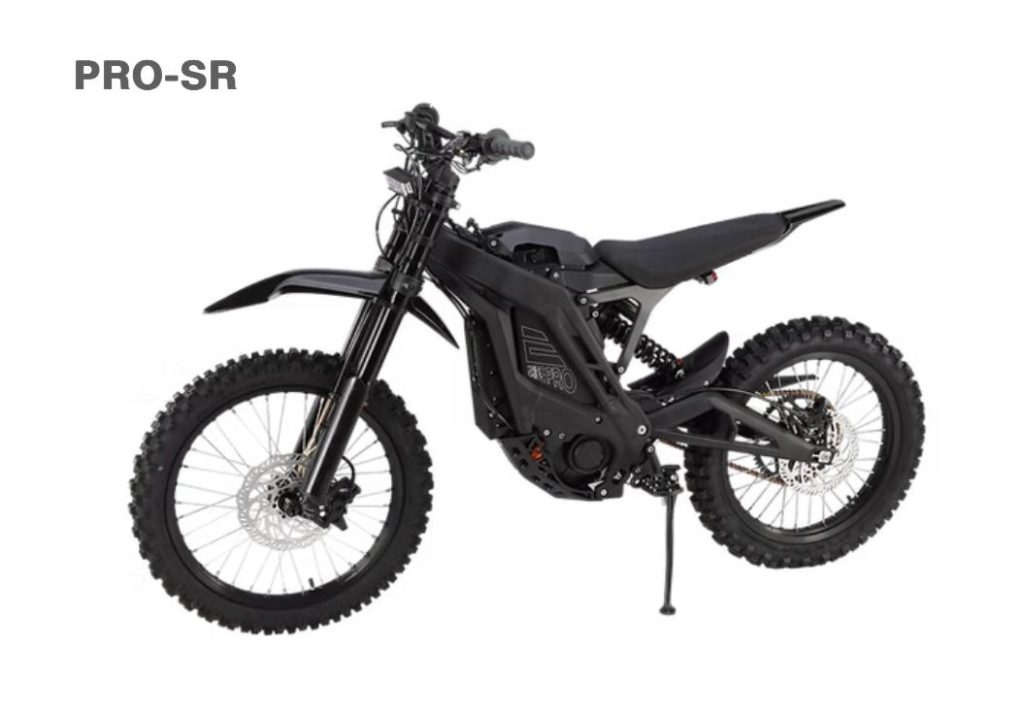
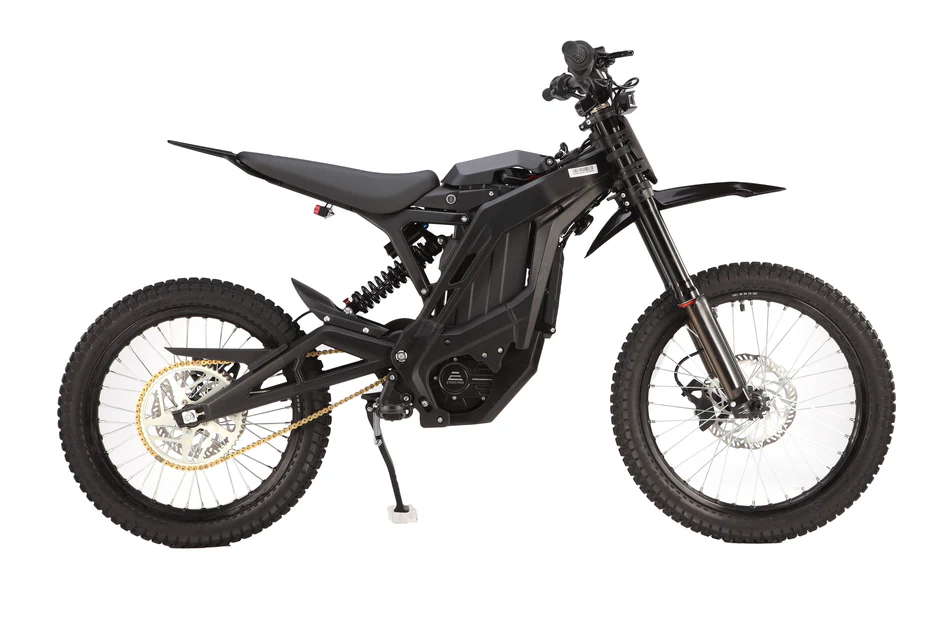
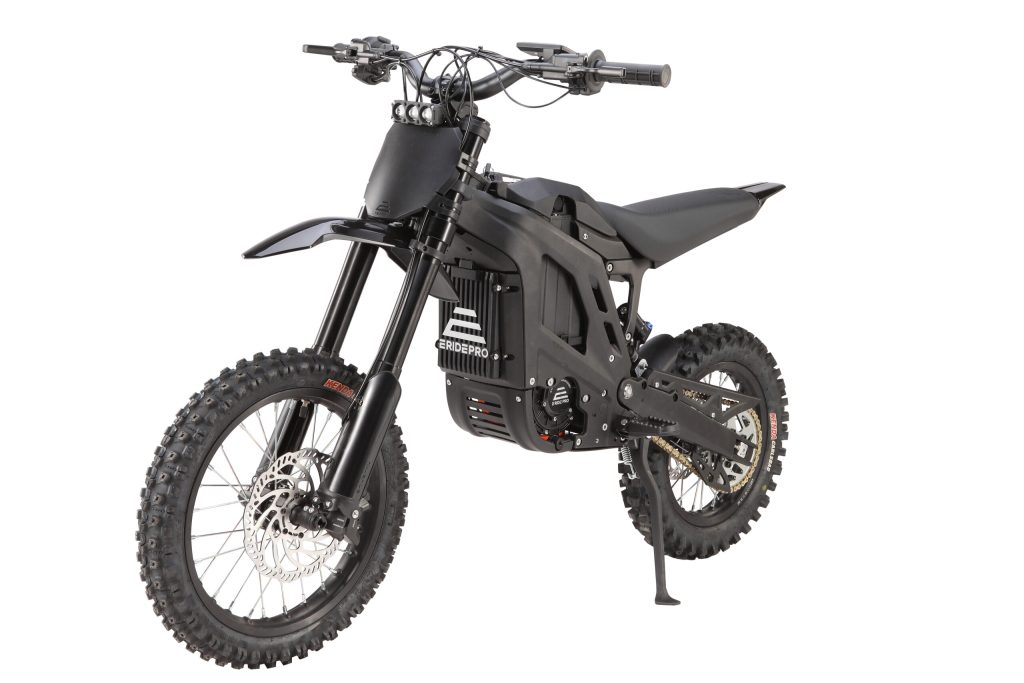
The E-Ride Pro SR isn’t marketed purely as a motocross bike, but with 25 kW peak, 0–48 km/h in 1.8 seconds, adjustable Fast Ace suspension and an RK race chain, it’s a capable track bike for a fraction of a Stark’s price. Add stiffer suspension for big jumps. See the E-Ride Pro SR.
Best for: adults who want track capability on a tighter budget.
Electric motocross bike comparison table
| Bike | Power | Battery | Weight | Approx. Australian price |
|---|---|---|---|---|
| Stark Varg MX 1.2 | 60 or 80 hp | 7.2 kWh | 118 kg | $19,000–$20,500 |
| Stark Varg EX | Up to 80 hp | 7.2 kWh | 120 kg | From about $20,990 |
| KTM SX-E 5 | 5 kW | 907 Wh | About 40.5 kg | About $9,995 |
| Husqvarna EE 5 | 5 kW | 907 Wh | Similar to SX-E 5 | Check dealer |
| KTM SX-E 2.12 | 1.8 kW | Small | 27 kg | About $3,895 |
| E-Ride Pro SR | 25 kW | 72V 50Ah | 83 kg | Check our store |
Electric motocross bike vs petrol motocross bike
| Electric motocross bike | Petrol motocross bike | |
|---|---|---|
| Noise | Very quiet | Loud |
| Power delivery | Instant, adjustable | Depends on engine and mapping |
| Controls | No clutch or gears | Clutch and gearbox |
| Maintenance | Suspension, brakes, chain, tyres | Plus oil, filters, top-end rebuilds |
| Running cost | A few dollars per charge | Race fuel, oil and rebuilds |
| Session length | Limited by battery | Easy to refuel |
| Racing classes | Still developing | Well established |
For practice, training and riding at home, electric is often the better choice. For racing in established classes, petrol still has more options, although that’s changing quickly.
Factory prototypes: what’s coming
Honda CR Electric Proto
Honda first showed an electric motocross concept in 2019 and has raced the CR Electric Proto in Japanese national competition since October 2023. It’s a prototype and isn’t for sale, but it shows that Honda sees electric motocross as the future. The Motorcycle News coverage has more detail.
Yamaha YE-01
Yamaha unveiled the YE-01 electric motocross concept at EICMA in November 2025, developed with Electric Motion and aimed at a new electric motocross series. There’s no production date yet.
A common mix-up: Triumph’s TF 250-E
Triumph’s TF 250-E is sometimes mistaken for an electric motocross bike. It isn’t. The “E” stands for enduro, and it’s a 249.9cc four-stroke petrol bike.
Racing an electric motocross bike in Australia
Traditional junior and senior motocross classes are still built around petrol bikes, and electric racing classes are still developing. At the time of writing, Motorcycling Australia’s electric competition options are more limited, with electric trials available for riders aged 7 to under 16. Many clubs now welcome electric bikes at practice days, and some run demonstration or open classes.
If you want to race, contact your local club before buying to check which classes are available for your bike. You’ll also need a Motorcycling Australia licence to compete, and many practice days require one. Victoria’s Broadford complex, for example, requires a Motorcycling Australia licence or one-event licence for its practice days. See Motorcycling Australia’s licence information for junior riders.
Riding an electric motocross bike on the track
Electric bikes ride differently from petrol bikes on a track. A few tips:
- Use the regen. Regenerative braking can replace engine braking into corners. Set it to suit your style.
- Be smooth with the throttle. Instant torque can break traction out of corners if you’re abrupt.
- Manage the battery. Plan practice sessions around charge levels, and bring a charger and a power source.
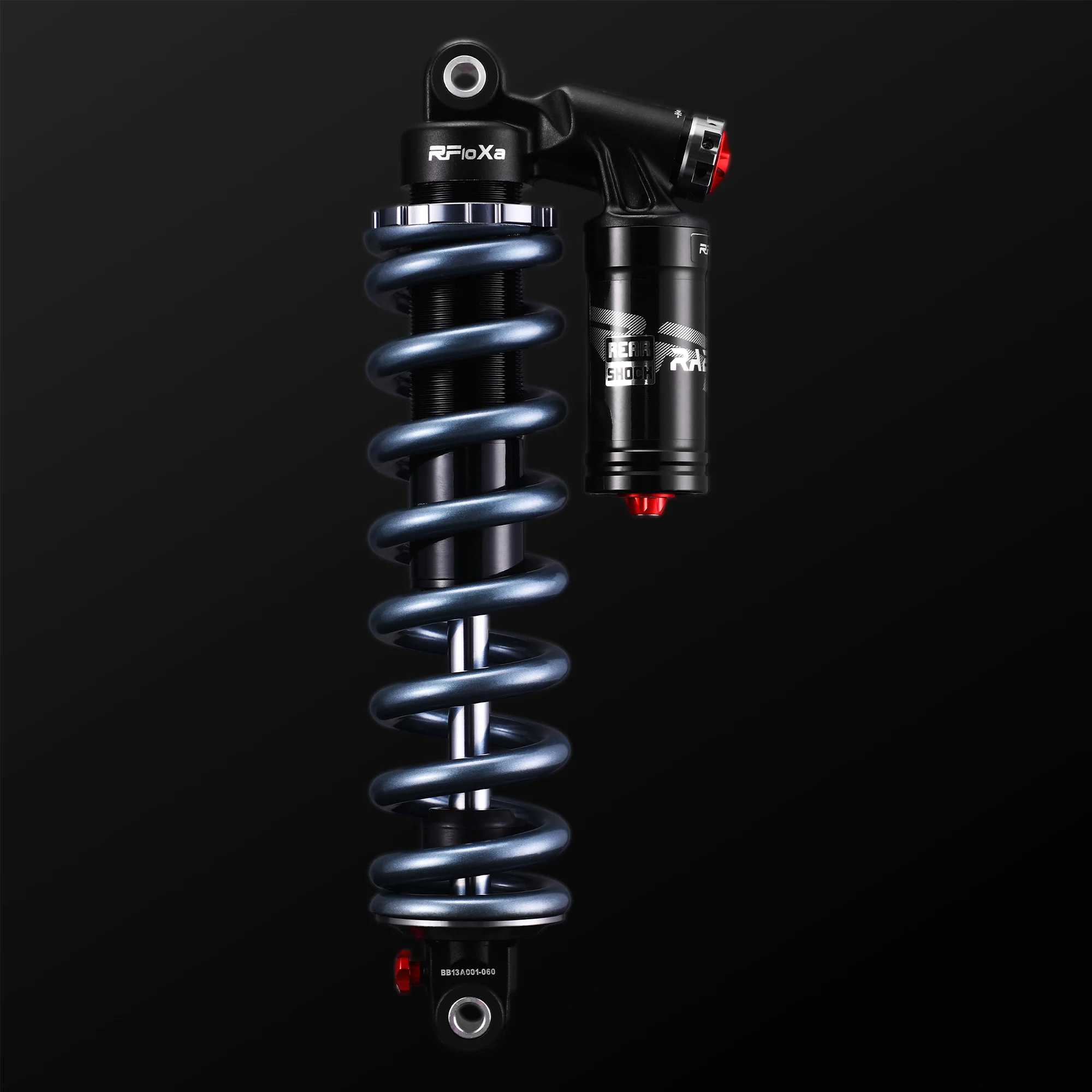
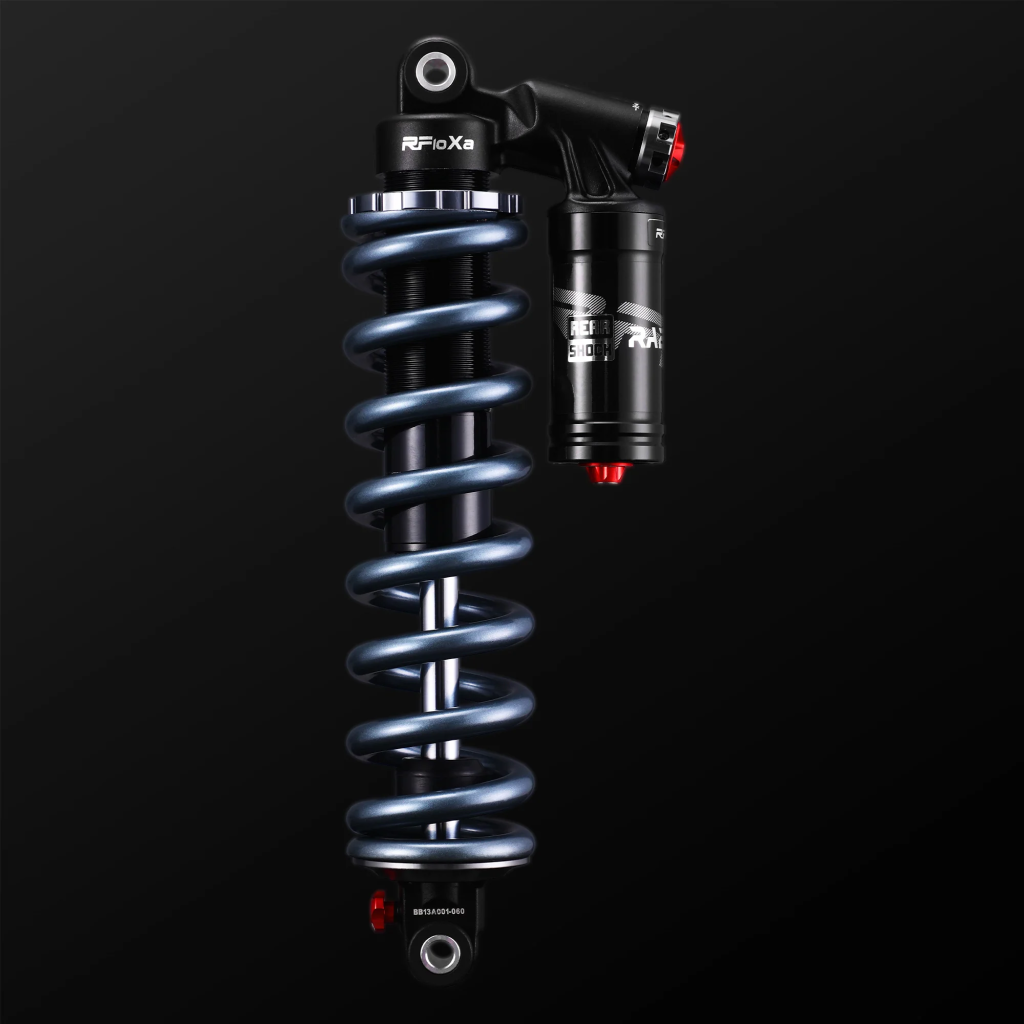
- Set up the suspension. Race-pace jumps demand correct spring rates and damping for your weight.
- Mind the silence. Other riders may not hear you coming, so be predictable and hold your lines.
A short history of the electric motocross bike
Electric motocross didn’t arrive overnight. Early electric off-road bikes were heavy, short on range and more suited to trail riding than racing. Things changed quickly:
- 2014 – KTM launches the Freeride E, showing a major manufacturer taking electric off-road seriously.
- 2019 – Honda shows its first electric motocross concept, and Stark Future is founded near Barcelona.
- 2020 – KTM releases the SX-E 5, bringing a factory electric motocross bike to junior riders.
- 2021 – the Stark Varg arrives with a claimed 80 hp, putting the electric motocross bike on par with petrol race bikes.
- 2023 – Honda begins racing the CR Electric Proto in Japanese national competition.
- 2025 – Yamaha unveils its YE-01 electric motocross concept, and Stark releases the updated Varg MX 1.2.
Today, the electric motocross bike is a serious option for racers of every age.
Setting up an electric motocross bike for the track
A bike that feels great on trails can feel wrong on a motocross track. Before your first track day:
- Set rider sag to suit your weight, usually around 30% of rear travel for motocross.
- Check spring rates. Big jumps need springs rated for your weight in full gear.
- Adjust compression and rebound so the bike absorbs landings without bouncing or bottoming out.
- Choose motocross tyres and run pressures suited to the track surface.
- Pick a power map that suits the track. Slippery tracks reward smoother maps.
- Set regenerative braking to match how you like the bike to slow into corners.
Write your settings down after every session, so you can build a baseline for different tracks.
Charging at the track
Battery management is the part of an electric motocross bike that petrol riders need to learn. Most tracks don’t provide power, so plan ahead:
- Arrive with a full charge.
- Plan practice sessions around your bike’s typical usage per lap.
- Bring the charger and ask the club whether there’s power available in the pits.
- Some riders use a generator or a portable power station to top up between sessions. Check with the club first.
- Let the battery cool before charging after hard sessions.
The junior pathway
For kids who love motocross, a common electric pathway is to start on a small bike like the KTM SX-E 2.12 or an RFN kids’ bike, move up to a 5 kW mini like the KTM SX-E 5 or Husqvarna EE 5, and then transition to larger bikes as they grow. At every stage, coaching and club practice days build skills safely. Our kids electric dirt bike guide explains how to size bikes by age and ability.
Fitness for electric motocross
Without a clutch and gears, some riders assume an electric motocross bike is less physical. It isn’t. Motocross still demands leg strength, core stability, grip endurance and cardiovascular fitness, and instant torque means your body has to be ready for hard acceleration out of every corner. Regular cycling, running, core work and grip training all help, and so does simply riding more.
Running costs and maintenance
An electric motocross bike saves a lot compared with a petrol racer. There are no oil changes, air filters, spark plugs, top-end rebuilds or race fuel. You’ll still need to maintain suspension, brakes, chain, sprockets, tyres and bearings, and motocross is hard on all of them. Charging costs a few dollars per session.
The main long-term cost is the battery, which gradually loses capacity over time. Charge correctly, avoid heat, and store it at around half charge between race weekends.
Building a practice track at home
If you have room on a rural property, a simple practice track is the best way to build skills between club days, and electric bikes make home tracks far more neighbour-friendly. Keep it safe and simple:
- Start with a flat oval and a few wide berms before adding any jumps.
- Build small, rounded rollers rather than steep kickers, and keep landings long and smooth.
- Leave plenty of run-off space and keep the track well away from fences, sheds, trees, dams and boundaries.
- Water the track to control dust and keep the surface consistent.
- Always have someone watching when anyone is riding, and keep a first aid kit nearby.
Check with your local council about any rules on earthworks and recreational riding before you start digging.
Buying a used electric motocross bike
Used bikes, especially outgrown kids’ minis, can be excellent value. Motocross is hard on bikes, though, so check the suspension for leaking seals and worn bushings, the frame and swingarm for cracks, and the wheels for dents and loose spokes. Ask about the battery’s age and charging history, check that the charger is included, and confirm that software updates have been applied. As always, ask for proof of purchase and check the frame number.
Can you ride an electric motocross bike on the road?
Pure MX models can’t be registered and are for tracks and private land only. Some related models, such as the Stark Varg EX, are homologated for road use. Unregistered bikes can’t be ridden on roads, footpaths or public land, and several states increased fines in 2026. See our electric dirt bike laws guide.
Gear for motocross
Motocross is fast and physical, so wear full protection: a certified motocross helmet, goggles, gloves, boots, knee braces, a chest protector and a neck brace if you choose to use one. Our dirt bike gear guide explains the standards and fitting.
Which electric motocross bike should you buy?
- Adult racer with a big budget: Stark Varg MX 1.2.
- Adult rider who wants track fun on a budget: E-Ride Pro SR with suspension setup.
- Junior heading into racing: KTM SX-E 5 or Husqvarna EE 5.
- Young beginner: KTM SX-E 2.12, or an affordable kids’ bike like the RFN EVO Racing 20″.
Shop electric motocross alternatives with us
We sell the E-Ride Pro SR and other capable e-motos, plus suspension, brake and drivetrain upgrades, from our locations in Albert Park, Victoria, and Rosny Park, Tasmania. Browse our electric bikes and e-motos or contact us for advice on setting a bike up for the track.
Electric motocross bike FAQs
What is the best electric motocross bike?
For adults, the Stark Varg MX 1.2 is the benchmark. For juniors, the KTM SX-E 5 and Husqvarna EE 5 are leading choices.
How much does an electric motocross bike cost in Australia?
From about $3,895 for a KTM SX-E 2.12 to around $19,000–$20,500 for a Stark Varg MX 1.2.
Can you race an electric motocross bike in Australia?
Electric classes are still developing. Check with your local club and Motorcycling Australia about available classes and licences.
Is an electric motocross bike faster than petrol?
The Stark Varg has proven competitive with petrol bikes. Instant torque gives electric bikes a strong advantage out of corners.
How long does an electric motocross bike battery last?
It depends on the bike, riding intensity and settings. Stark quotes up to six hours of trail riding for the Varg MX 1.2, with less at full race pace.
Do I need a licence to ride an electric motocross bike at a track?
Most clubs require a Motorcycling Australia licence for practice days and competition, and some offer one-event licences. Check with the club before you go.
Is an electric motocross bike good for beginners?
Yes, especially models with adjustable power. Start with a low power setting and build skills with coaching before riding at race pace.