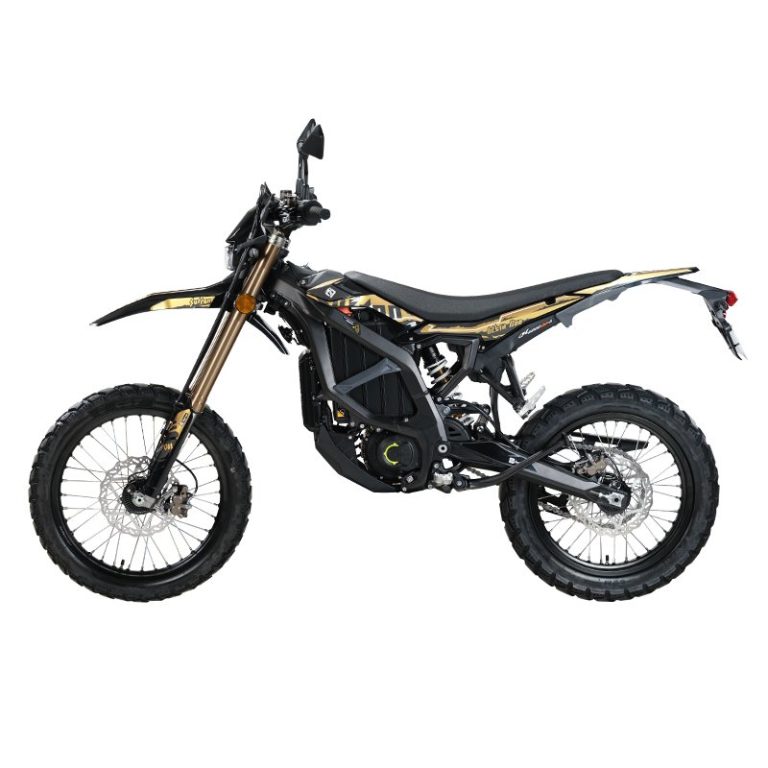
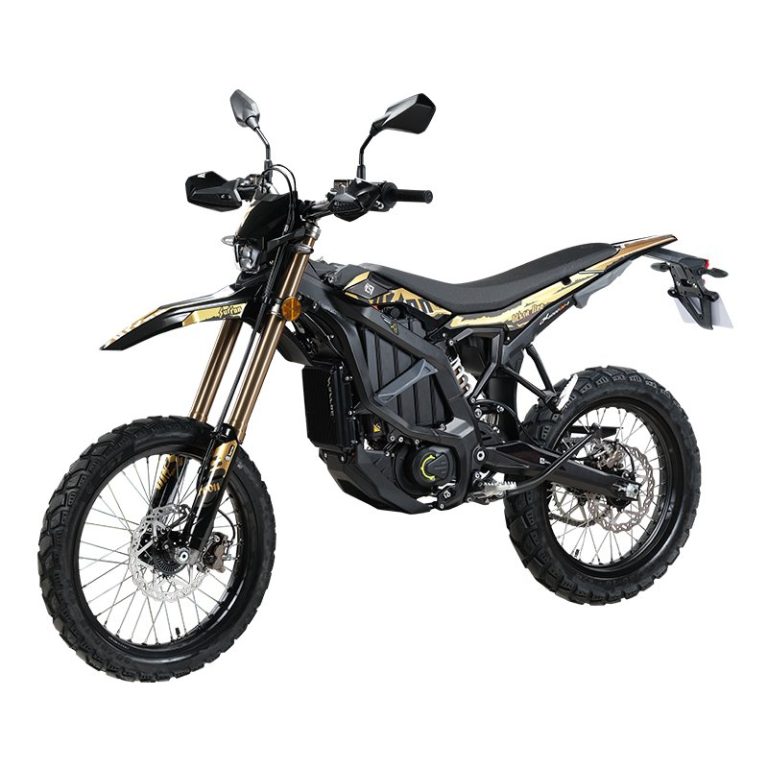
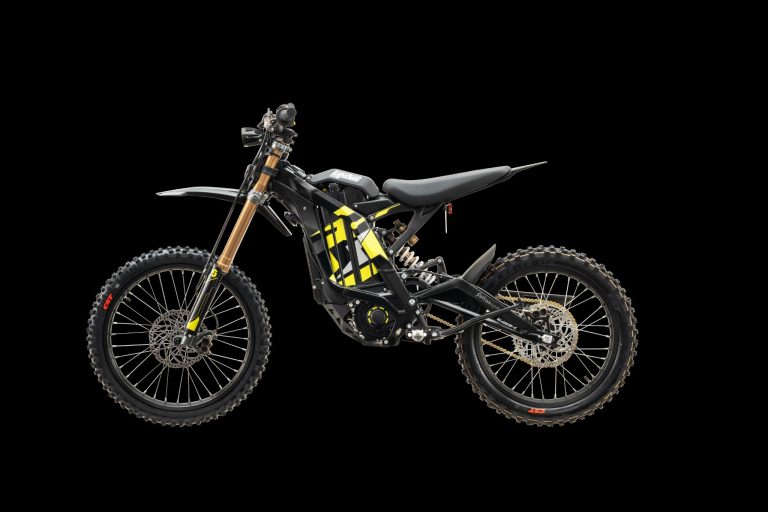
The Surron Ultra Bee brakes are 4-piston hydraulic discs front and rear, with 240 mm wave rotors and a rear brake operated by a lever on the left handlebar. They’re strong for a bike of this weight, but they work hard. Mud, sand, steep descents and the HP’s extra speed all wear pads and fluid faster than many new owners expect.
This guide explains how the stock Surron Ultra Bee brakes work, how to tell when they need attention, which brake pads to choose, and the proven upgrades worth fitting. We also cover the Ultra Bee parts and battery care every owner should know about. For a full overview of the bike, see our complete Surron Ultra Bee guide.
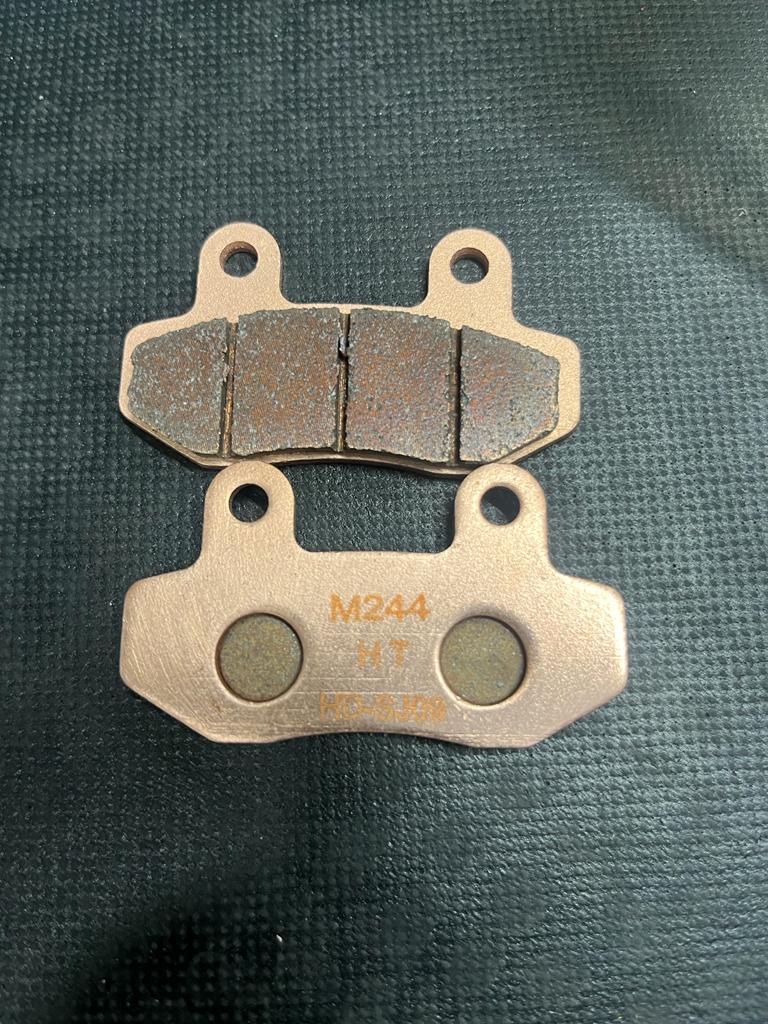
Stock Surron Ultra Bee brakes explained
Here’s what comes on the bike from the factory, according to the official Surron Australia Ultra Bee specifications:
| Component | Stock Ultra Bee setup |
|---|---|
| Front brake | 4-piston hydraulic caliper, 240 mm wave rotor |
| Rear brake | 4-piston hydraulic caliper, 240 mm wave rotor |
| Rear brake control | Left-hand lever, no foot pedal |
| Regenerative braking | Adjustable electronic regen when you roll off the throttle |
| Wheels | 19-inch front, 18-inch rear |
The stock Surron Ultra Bee brakes impressed independent testers. In its 2023 Ultra Bee review, Cycle News said the 240 mm discs performed really well on a hard enduro course, squealing a little on long descents but never fading.
Why the rear brake is on the handlebar
Like a mountain bike, the Ultra Bee puts the rear brake on the left lever, where a clutch would be on a petrol bike. Without a gearbox or clutch, the left hand is free, and many riders find it easier to modulate the rear brake with a finger than a boot. Riders coming from motocross sometimes prefer a foot brake, and conversion kits exist (more on that below).
Regenerative braking
The Ultra Bee also slows itself electronically. When you roll off the throttle, the motor acts as a generator and feeds a little energy back into the battery. This regenerative braking feels like engine braking on a petrol bike and takes some load off the Surron Ultra Bee brakes. You can adjust how strong it is, so set it to suit your riding.
How the Surron Ultra Bee brakes feel on the trail
Out of the box, the front brake has a firm lever and plenty of bite for an 88–93 kg bike. The rear is progressive and easy to control, which helps on loose descents. For most trail riders on the standard bike, the stock Surron Ultra Bee brakes are all they’ll ever need.
The weak point isn’t the hardware, it’s the conditions. On the HP, you arrive at corners faster than on the standard bike, and the Surron Ultra Bee brakes have to shed more speed with the same 240 mm rotors. Long downhill sections can heat the pads and fluid, and the lever may come back towards the bar a little. That’s when upgrades start to make sense.
Signs your Surron Ultra Bee brakes need attention
Check the brakes before every ride. These are the signs it’s time for pads, a bleed or a closer look:
- Spongy or soft lever. Usually air in the system or old fluid. A bleed fixes it.
- Lever pulls to the bar. Low fluid, worn pads or a leak. Stop riding until it’s sorted.
- Grinding or metal-on-metal noise. The pads are worn to the backing plate and are damaging the rotor.
- Squealing that wasn’t there before. Contaminated pads, glazed pads or a loose caliper.
- Less stopping power. Glazed or worn pads, or oil on the rotor.
- Pulsing through the lever. A warped or bent rotor, often from a crash or a rock strike.
- Brake dragging. The wheel doesn’t spin freely, which costs range and speed.
Pads should be replaced when the friction material is down to about 1.5–2 mm. If you ride in mud, sand or wet clay, check them every ride, because grit wears pads far faster than dry hard-pack.
Ultra Bee brake pads: which ones should you buy?
Ultra Bee brake pads are the part you’ll replace most, and changing pad compound is the easiest way to change how the Surron Ultra Bee brakes feel. There are three common choices.
| Pad type | Best for | Trade-offs |
|---|---|---|
| OEM / standard replacement | Everyday trail and road riding | Good all-round feel, moderate wear life |
| Upgraded street and trail pads | Riders who want more bite on a budget | Slightly more noise in some conditions |
| Competition (sintered) pads | Racing, steep terrain, HP and modified bikes | Stronger and more heat-resistant, but can wear rotors faster |
For most riders, our Ultra Bee replacement brake pads are the simple fix. If you ride hard, race, or have a high-power bike, the EBMX Competition brake pads for Ultra Bee give the Surron Ultra Bee brakes much stronger, more consistent bite when they’re hot.
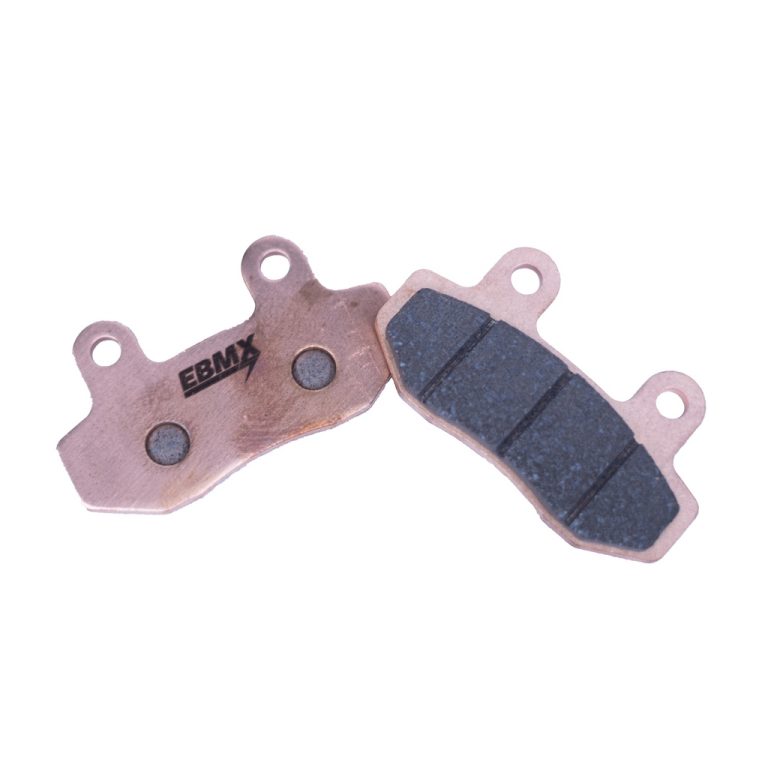
Always buy pads listed for the Ultra Bee. Pads for the Light Bee, Talaria and other models may look similar but don’t necessarily fit the Ultra Bee caliper. If you’re unsure, contact us with your bike’s model year.
How to replace Ultra Bee brake pads
Swapping pads is a simple home job if you’re handy with tools. If you’re not confident, have a workshop do it, because brakes are a safety item.
- Put the bike on a stand so the wheel spins freely.
- Remove the pad retaining pin and clip, then slide the old pads out.
- Clean the caliper with brake cleaner. Never use oil-based sprays near the brakes.
- Gently push the pistons back into the caliper so the new, thicker pads fit.
- Fit the new pads, then refit the pin and clip.
- Pump the lever until it’s firm before you move the bike.
- Bed in the new pads before riding hard.
Bedding in new pads
New pads need to transfer a thin layer of material onto the rotor before they reach full power. Find a safe, flat area and do 10 to 20 firm stops from about 30 km/h, without locking the wheel. Let the brakes cool, then ride normally. Skipping this step is the most common reason new pads feel weak.
Bleeding the brakes and brake fluid
Brake fluid absorbs moisture over time, which lowers its boiling point and makes the lever feel soft when the brakes get hot. Bleeding the Surron Ultra Bee brakes once a year, or whenever the lever feels spongy, keeps them consistent.
Use only the fluid type specified on the master cylinder cap or in your owner’s manual. Never mix DOT fluid and mineral oil, as it destroys the seals. If you haven’t bled hydraulic brakes before, it’s worth having us or a motorcycle workshop do it the first time.
8 proven Surron Ultra Bee brakes upgrades
These are the upgrades we fit most often, roughly in order of value.
- Performance pads. The cheapest upgrade with the biggest effect. Competition pads add bite and resist fade.
- Oversized front rotor. Our 270 mm oversized front rotor and bracket for Ultra Bee adds leverage and heat capacity over the stock 240 mm disc.
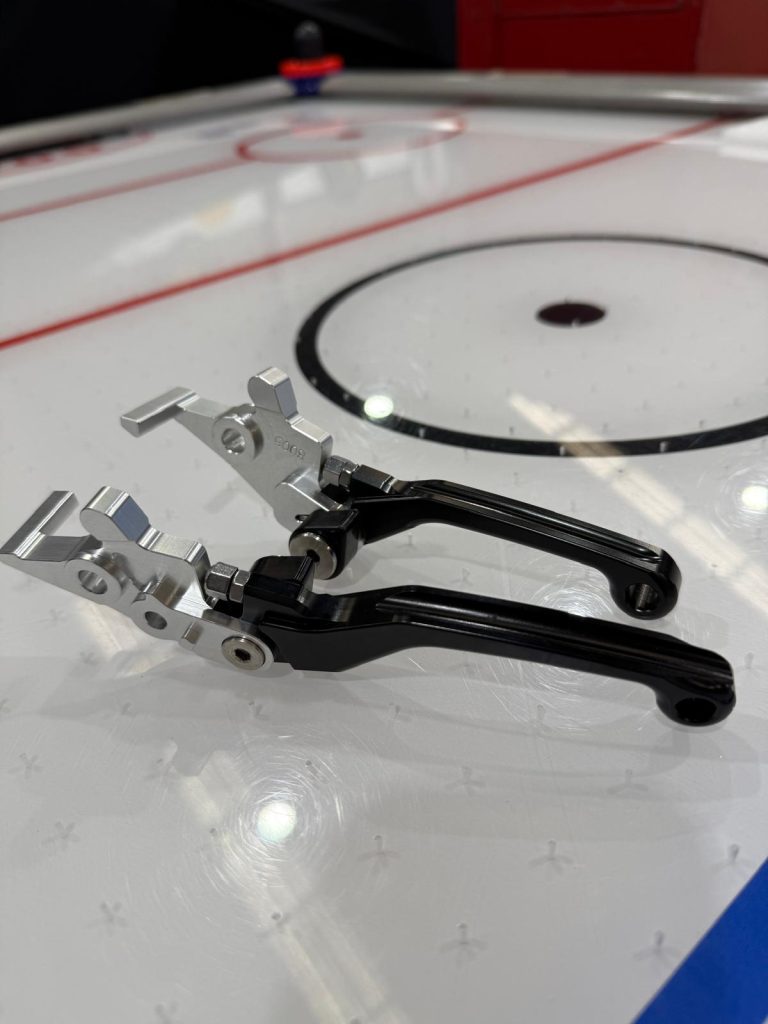
- Upgraded levers. Adjustable levers help riders with smaller hands get a better feel. See our Ultra Bee brake levers and OEM handbrake.
- Braided brake lines. They expand less under pressure than rubber lines, giving a firmer lever.
- Rear foot brake conversion. Aftermarket kits move the rear brake to a foot pedal for riders coming from petrol motocross bikes.
- Rotor protection. A rear disc guard or rear brake disc protector stops rocks and logs bending the rotor.
- Regen tuning. Increasing regenerative braking takes load off the pads on long descents.
- Fresh fluid and a proper bleed. Not glamorous, but it restores the stock Surron Ultra Bee brakes to as-new feel.
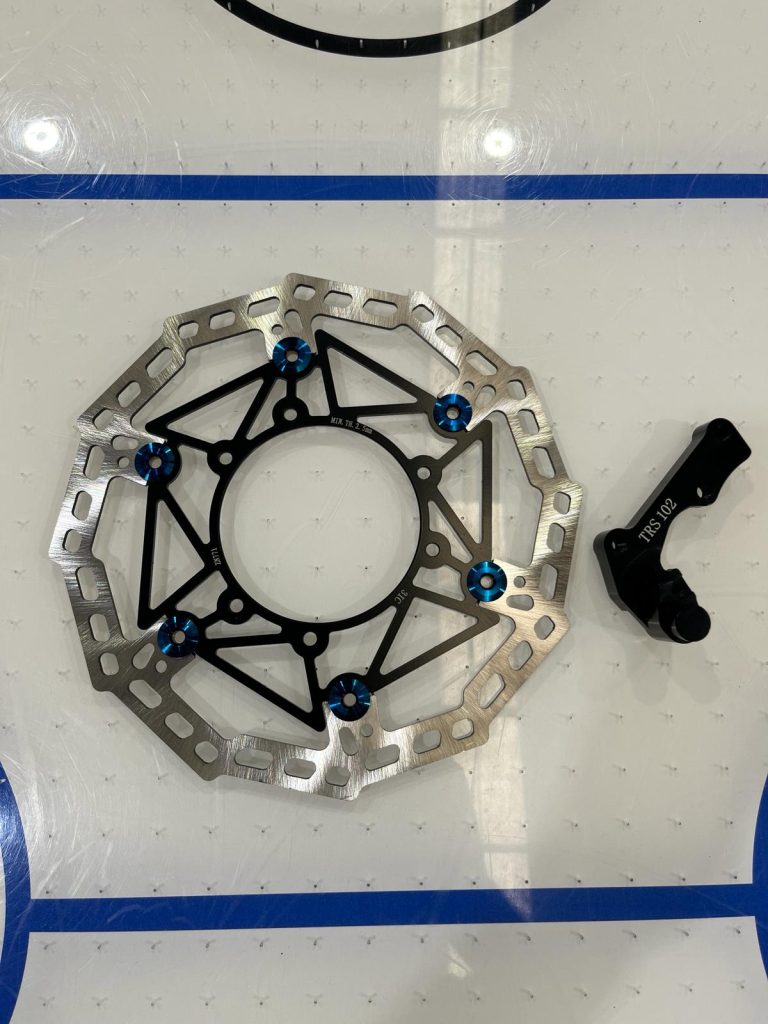
If you’ve added power with a controller or motor upgrade, upgrading the Surron Ultra Bee brakes should be next on the list. More speed needs more stopping power. Browse the full range of Surron Ultra Bee modifications and EBMX Ultra Bee mods.
Brake upgrades on a registered bike
Brakes on a road-registered Ultra Bee R or T must still meet the Australian Design Rules. Replacement pads are fine, but bigger changes such as rotor size or a foot brake conversion may need approval in your state. Ask us before modifying the Surron Ultra Bee brakes on a registered bike.
Riding technique: get more from your Surron Ultra Bee brakes
Good technique makes any brakes feel stronger. These habits help you stop shorter and keep control on loose ground.
- Use the front brake. It does most of the stopping, especially on hard-pack and bitumen. Squeeze it progressively rather than grabbing it.
- Cover both levers. Riding with one finger on each lever cuts your reaction time on fast trails.
- Brake in a straight line. Do most of your braking before the corner, then ease off as you turn in.
- Move your weight back on descents. Standing with your hips back keeps the rear wheel planted and stops the bike pitching forward.
- Let the regen help. On long downhills, rolling off and letting regenerative braking slow you takes heat out of the Surron Ultra Bee brakes.
- Practise emergency stops. Find an open, safe area and practise hard stops with both brakes until they feel natural.
Newer riders often under-use the front brake because they’re worried about going over the bars. On an Ultra Bee with good tyres, a progressive squeeze of the front brake is the fastest way to slow down. Practise building pressure smoothly, and you’ll get far more out of the Surron Ultra Bee brakes than any upgrade can give you.
Essential Ultra Bee parts to keep on hand
Brakes aren’t the only parts that wear. These are the Ultra Bee parts we recommend keeping in the shed so a small problem doesn’t end your weekend.
| Part | Why you need it | Shop |
|---|---|---|
| Brake pads | The most common wear item | Ultra Bee brake pads |
| Chain | Stretches and wears with use | 96-link chain for 46T sprocket |
| Primary belt | Drives the jackshaft and can wear or snap | Gates belt for Ultra Bee |
| Throttle | Crash damage and water ingress | Replacement electronic throttle |
| Levers | Snap easily in a fall | Brake levers and handbrake |
| Footpegs and kickstand | Bend on rocks and logs | OEM Ultra Bee footpegs |
You’ll find the complete range of genuine replacement parts in our OEM parts and Surron Ultra Bee categories.
Ultra Bee battery: care, replacement and charging
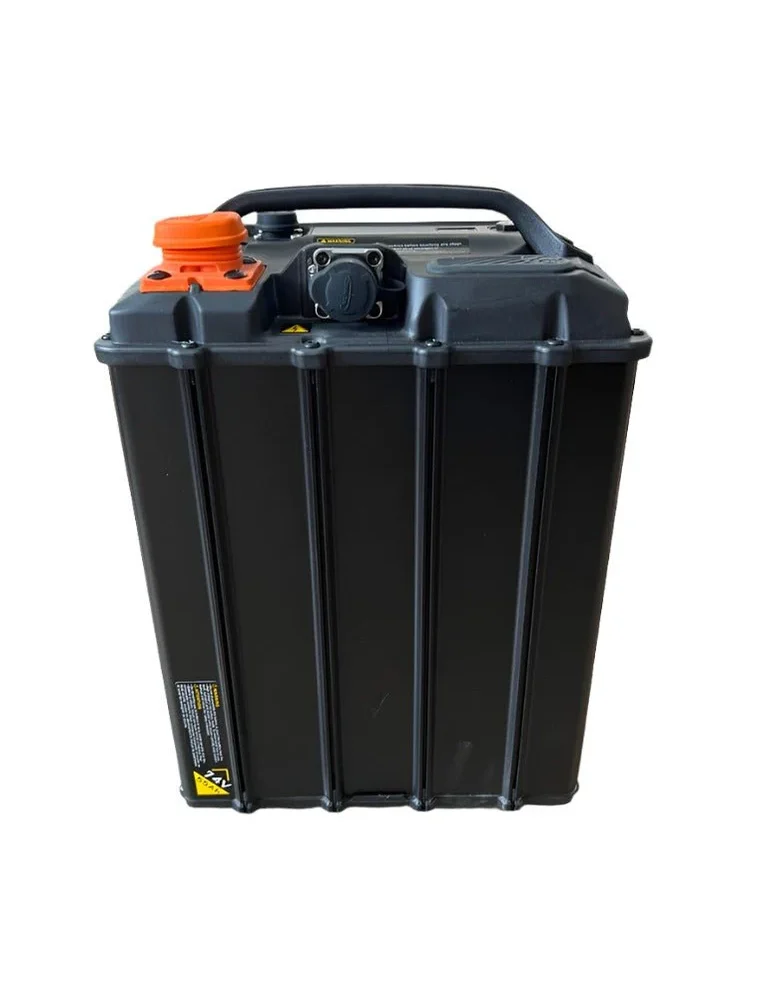
The Ultra Bee battery is the most valuable part on the bike. The standard bike uses a 74V 55Ah pack and the HP uses 74V 60Ah. Looking after it protects your range, your top speed and your bike’s resale value.
- Store the battery between about 20% and 80% if the bike won’t be ridden for a while.
- Charge at room temperature, not straight after a hard ride when the pack is hot.
- Don’t leave it completely flat for weeks.
- Keep water away from the connectors, and never pressure-wash the battery area.
- Use the correct charger. A genuine Ultra Bee OEM charger is designed for the pack’s voltage.
If your range has dropped badly, have the battery tested before replacing it. When a replacement is needed, we stock an OEM Ultra Bee battery, along with the Ultra Bee battery cover and other parts in our Batteries and Chargers range.
Common Surron Ultra Bee brakes problems and fixes
Most brake complaints we see in the workshop come down to a handful of causes. Here’s a quick troubleshooting guide.
| Problem | Likely cause | Fix |
|---|---|---|
| Soft, spongy lever | Air in the lines or old fluid | Bleed the system with fresh fluid |
| Lever slowly sinks to the bar | Low fluid, leaking seal or worn pads | Inspect for leaks, top up or rebuild, replace pads |
| Loud squeal | Glazed or contaminated pads, dirty rotor | Clean rotor, re-bed or replace pads |
| Weak stopping | Worn or glazed pads, oil on the rotor | Replace pads and clean the rotor with brake cleaner |
| Pulsing lever | Bent or warped rotor | Straighten if minor, otherwise replace the rotor |
| Wheel drags | Sticky caliper pistons or a bent rotor | Clean and lube pistons, check rotor straightness |
If a fix doesn’t solve the problem straight away, stop riding and have the Surron Ultra Bee brakes inspected. Brake faults rarely get better on their own, and a bike that won’t stop is far more dangerous than one that won’t go.
Contaminated pads deserve a special mention. Chain lube overspray, a leaking fork seal or a wash with the wrong cleaner can soak oil into the pad material. Once that happens, cleaning won’t save them. Replace the pads, clean the rotor thoroughly and find the source of the oil before you ride again.
OEM vs aftermarket Ultra Bee parts
Both have their place. Genuine OEM parts are made to Surron’s specification, fit without fuss and keep warranty and registration simple. Aftermarket parts can be stronger or lighter, especially for racing, but quality varies a lot.
Our rule of thumb: use OEM parts for wear items on a registered or under-warranty bike, and choose proven aftermarket brands like EBMX when you’re upgrading performance. Avoid cheap no-name brake parts. When the Surron Ultra Bee brakes fail, there’s no second chance.
Surron Ultra Bee brakes maintenance schedule
| When | Check or job |
|---|---|
| Before every ride | Lever feel, pad thickness, rotor condition, wheel spins freely |
| After wet or muddy rides | Clean calipers and rotors, inspect pads, lube the chain |
| Every month of regular riding | Check caliper bolts, rotor bolts and brake lines for damage |
| Every 12 months | Bleed the brakes with fresh fluid |
| After any crash | Inspect levers, lines, rotors and calipers before riding again |
A ten-minute check before each ride is the best way to keep your Surron Ultra Bee brakes reliable. Don’t forget your own protection either. Our dirt bike gear checklist covers what to wear.
Surron Ultra Bee brakes FAQs
What brakes does the Surron Ultra Bee use?
The Surron Ultra Bee brakes are 4-piston hydraulic calipers with 240 mm wave rotors front and rear, plus adjustable regenerative braking. The rear brake is on the left handlebar lever.
How often should I change Ultra Bee brake pads?
It depends on terrain and riding style. Check them before every ride and replace them at about 1.5–2 mm of pad material. Riders in mud or sand often go through pads much faster than those on dry trails.
Can I fit a foot brake to an Ultra Bee?
Yes, aftermarket conversion kits are available. On a registered bike, check your state’s rules first, as it may need approval.
Do Light Bee brake pads fit the Ultra Bee?
Don’t assume they will. Always buy pads listed for the Ultra Bee and check your model year.
Are the Surron Ultra Bee brakes good enough for the HP?
For most riding, yes. The HP uses the same 240 mm hydraulic disc setup, and it copes well on trails. If you ride fast, race or carry extra weight, upgrading the Surron Ultra Bee brakes with competition pads and a 270 mm front rotor is money well spent.
Why do my Surron Ultra Bee brakes squeal?
Usually because of contaminated or glazed pads, a dirty rotor or pads that weren’t bedded in. Clean the rotor with brake cleaner, bed the pads in properly, and replace them if the noise continues.
Where can I buy Ultra Bee parts in Australia?
We stock genuine and upgraded Ultra Bee parts, brake pads and batteries, with delivery Australia-wide from our Victorian and Tasmanian stores.
Keep your Ultra Bee stopping as well as it goes
Strong Surron Ultra Bee brakes give you the confidence to ride faster, safer and longer. Check them before every ride, replace pads early, bleed the system once a year, and upgrade when your riding outgrows the stock setup.
If you’re still choosing a bike, read our Surron Ultra Bee top speed and specs guide, compare costs in our Surron Ultra Bee price guide, or look at the off-road Surron Ultra Bee X. Need parts or advice? Contact our team and we’ll help you find the right fit.
Leave a Reply