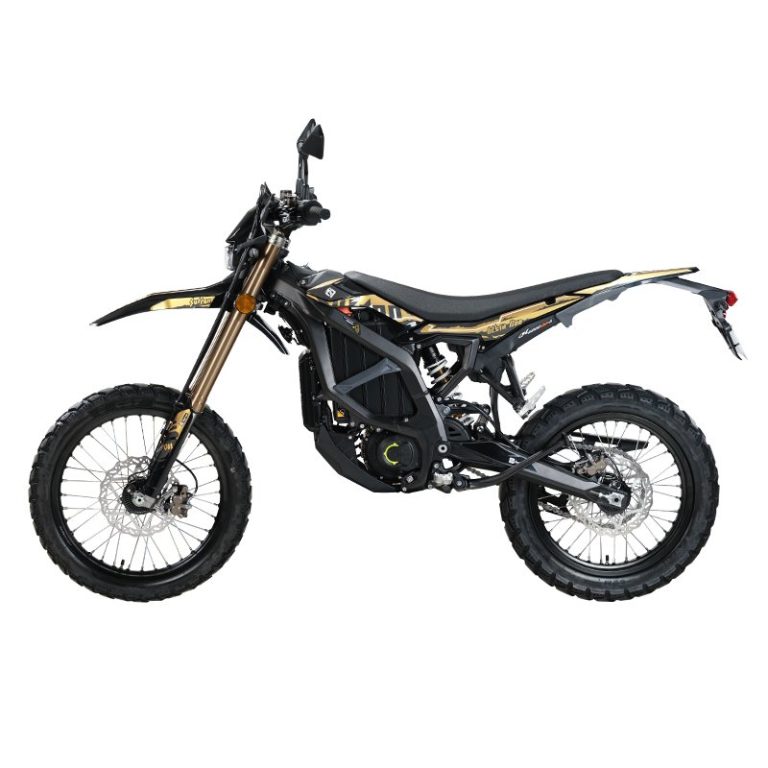
An electric motorbike can be anything from a quiet off-road trail bike to a fully registered commuter that does 130 km/h on the freeway. That’s exactly why so many Australians get confused when they start shopping. This guide explains the different types of electric motorbike, which ones you can legally ride where, what licence you need, what they really cost to run, and the best models available in Australia in 2026.
We’ll finish with nine essential tips for choosing the right electric motorbike for you. Prices are advertised prices at the time of writing (September 2026) and can change, so always confirm with the dealer.
What is an electric motorbike?
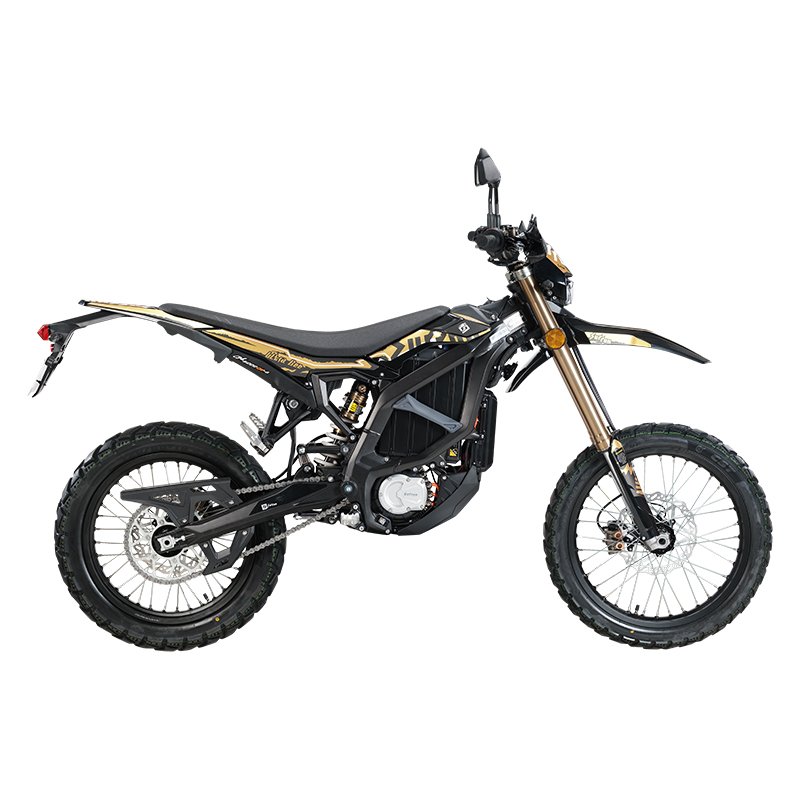
An e-motorbike is a motorcycle powered by a battery and an electric motor instead of a petrol engine. There’s no clutch to manage and usually no gears, so you simply twist the throttle and go. Most have regenerative braking, which slows the bike when you roll off the throttle and puts a little energy back into the battery.
The key thing to understand is that “e-motorbike” covers several very different categories of vehicle, each with its own rules.
- Road-registered electric motorcycles – full motorcycles that comply with Australian Design Rules (ADRs), are registered and need a motorcycle licence.
- Electric mopeds – road-registered bikes limited to 50 km/h, which in some states can be ridden on a car licence.
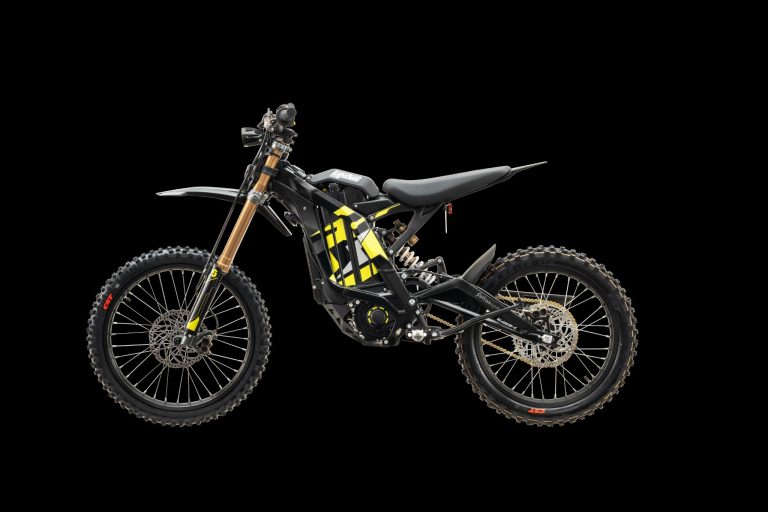
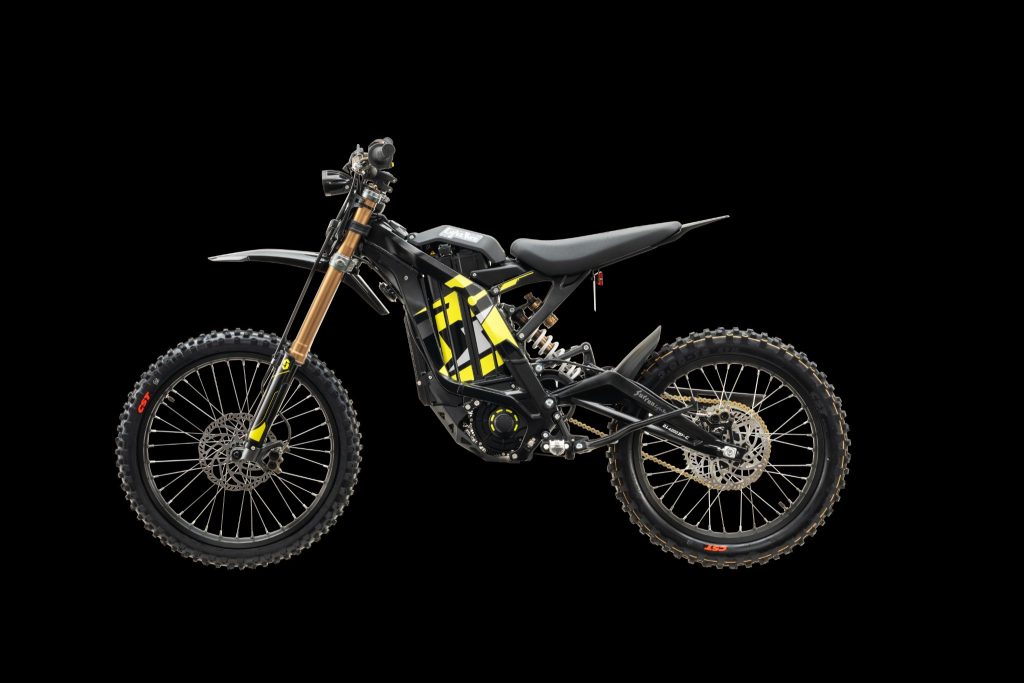
- Off-road e-motorbikes – also called electric dirt bikes or e-motos, like the Surron Light Bee X or Talaria XXX. These aren’t registered and can only be ridden on private property and approved off-road areas.
- Electric bicycles (e-bikes) – bicycles with pedals and small motors. They’re not motorbikes at all, and they have strict power limits.
Electric motorbike vs e-bike: the legal difference
This is where people most often get into trouble. A legal e-bike in Australia has working pedals, a motor of no more than 250 W continuous and assistance that cuts out at 25 km/h. In most states, a small throttle-only mode is allowed only up to 6 km/h. NSW currently allows up to 500 W but is moving to the 250 W European standard from 1 March 2029.
Anything without working pedals, or with more power than the e-bike limits, is legally a motor vehicle. That includes every e-motorbike and electric dirt bike we sell. If it isn’t registered, it can’t be ridden on roads, footpaths, bike paths or public land.
Victoria’s rules, for example, are explained on the Transport Victoria electric bikes page, which specifically lists high-powered electric dirt bikes with no working pedals as motor vehicles.
Road-legal vs off-road electric motorbikes
| Road-registered electric motorbike | Off-road electric motorbike | |
|---|---|---|
| Examples | Zero S, Super Soco TC Max, Surron Ultra Bee HP (ADR) | Surron Light Bee X, Talaria XXX, E-Ride Pro SR |
| Where you can ride | Roads, plus trails open to registered bikes | Private property and approved off-road parks |
| Licence | Motorcycle licence (or car licence for some 50 km/h mopeds) | Not required on private land |
| Registration and CTP | Required | Not required on private land |
| Typical weight | 90–230 kg | 40–90 kg |
Most people buying their first e-motorbike for fun on a property, or at a track, choose an off-road model because it’s lighter, cheaper and more fun in the dirt. Commuters choose a road-registered model.
The best road-legal electric motorbike options in Australia
Here are some of the road-registered options available at the time of writing.
| Electric motorbike | Type | Advertised price (approx.) |
|---|---|---|
| Zero LS1 | Commuter, LAMS approved in some states | About $8,800 ride-away |
| Super Soco TC Max | Commuter | About $8,290 |
| Talaria Sting Pro MX5 L1E | Road-approved e-moto, limited to 50 km/h | About $8,500 plus on-road costs |
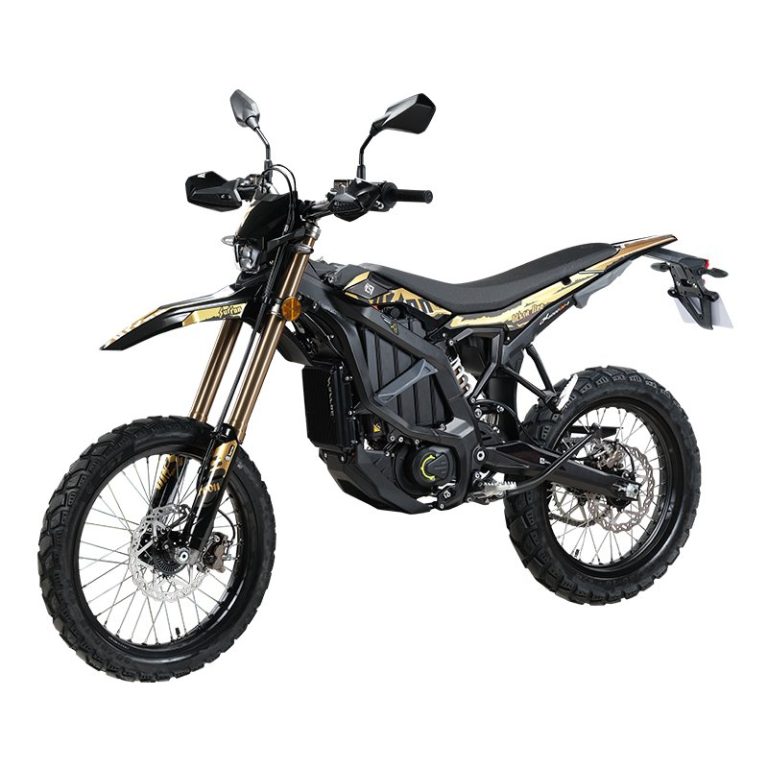
| Surron Ultra Bee HP (ADR) | Dual-sport e-moto | From about $10,490 plus on-road costs |
| Stark Varg EX | High-performance enduro, homologated in Australia | About $19,990 |
| Zero S | Naked road bike | About $27,900 |
| Zero SR/F | Performance road bike | About $35,900 |
Our pick for riders who want one e-motorbike for both trails and the road is the Surron Ultra Bee HP road-registerable version. It’s light, capable off-road and can be registered once it’s ADR-approved. Our full Surron Ultra Bee guide explains the versions.
The best off-road electric motorbike options
If you’ll ride on private land or at off-road parks, these are the models most Australians compare.
| Electric motorbike | Peak power | Best for |
|---|---|---|
| Surron Hyper Bee | 8 kW | Kids and smaller riders up to 55 kg |
| Talaria XXX / X3 Pro | About 6 kW | Value-focused beginners and lighter adults |
| Surron Light Bee X (2026) | 10 kW | Agile trail riding |
| E-Ride Pro SS 3.0 | 15.8 kW | Full-size trail bike with long range |
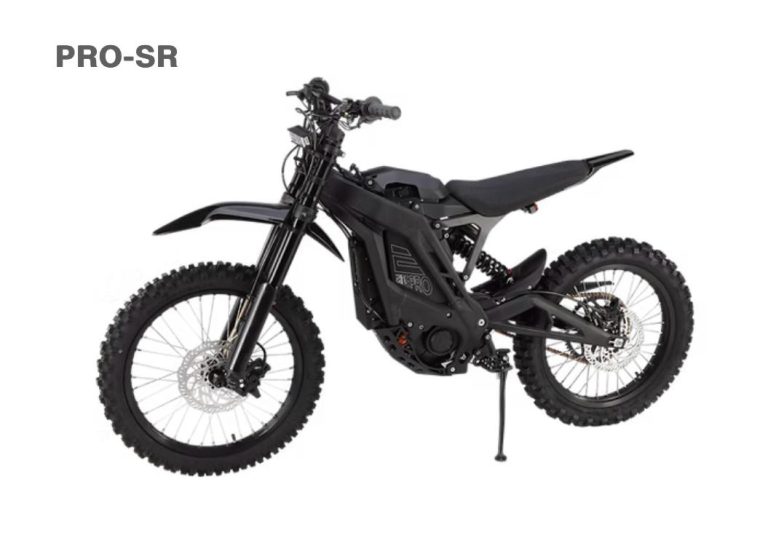
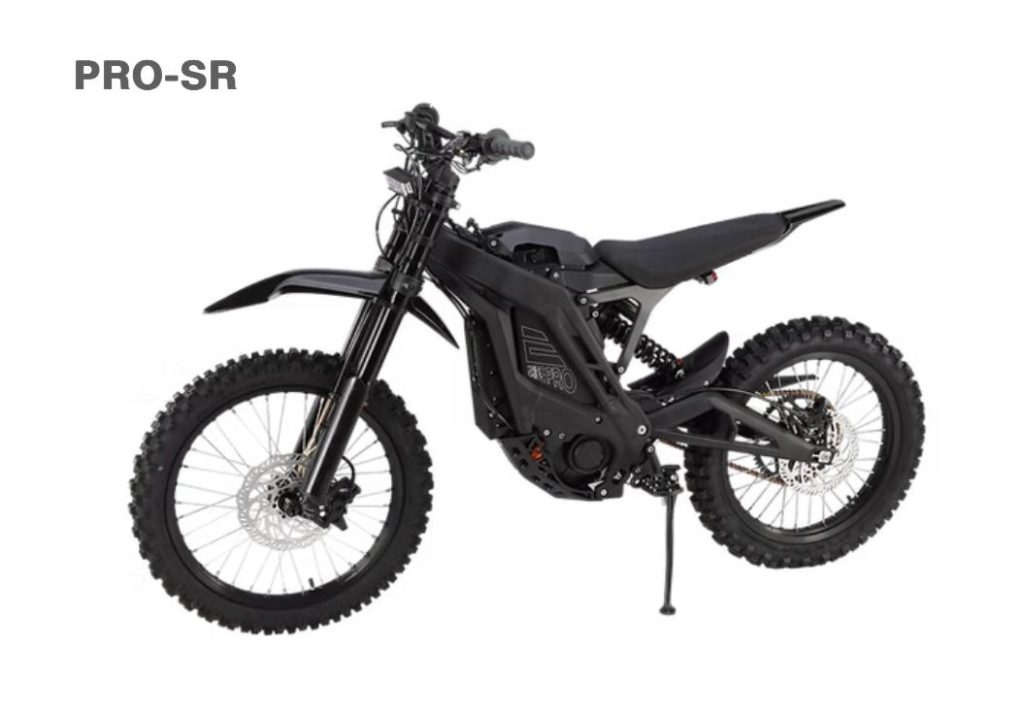
| E-Ride Pro SR | 25 kW | Experienced riders who want serious power |
See the full range in our electric bikes and e-motos collection.
Licences and LAMS for an electric motorbike
To ride a road-registered e-motorbike, you need a motorcycle licence or learner permit, just as you would for a petrol bike. Learner and provisional riders must ride a LAMS-approved bike (Learner Approved Motorcycle Scheme).
For electric bikes, LAMS eligibility is based on power. In NSW, for example, electric motorcycles must have a power output of 25 kW or less to be approved for novice riders, and approval is bike-by-bike. You can check the current rules on the NSW approved motorcycles for novice riders page. LAMS approval can differ between states, so always confirm the specific model is approved where you live.
Electric mopeds limited to 50 km/h are a special case. In Queensland, a car licence covers mopeds, and similar rules apply in some other states. That makes a road-approved 50 km/h model an easy entry point for car licence holders, but check your state’s rules first.
What does an electric motorbike cost to run?
Running costs are one of the biggest reasons people switch. Compared with a petrol bike, an e-motorbike has:
- No fuel costs – a full charge usually costs a few dollars at home, and much less if you charge from rooftop solar.
- No oil changes – no engine oil, oil filters, spark plugs, air filters or valve clearances.
- Fewer wear parts – the main items are tyres, brake pads, chain and sprockets, and suspension servicing.
- Lower noise – which means you can ride on a rural property without upsetting neighbours.
The main long-term cost is the battery. Lithium batteries gradually lose capacity with age and charge cycles. Looking after the battery, as explained below, protects the most expensive part of the bike.
Charging an electric motorbike
Most e-motorbikes charge from a normal household power point using the supplied charger. Charging times vary widely:
- Small off-road bikes like the Surron Hyper Bee charge from 20% to 80% in about two hours.
- Mid-size e-motos like the 2026 Surron Light Bee X take a little over two hours for the same top-up.
- Larger batteries, such as those on the Ultra Bee and E-Ride Pro, can take three to four hours or more.
Road-registered electric motorcycles from brands such as Zero can also use public charging stations with the right connector, which is handy for longer trips.
9 essential tips for choosing an electric motorbike
1. Decide where you’ll ride first
This is the most important decision. If you need to ride on the road, you need a road-registered e-motorbike and a licence. If you’ll ride only on private land or at tracks, an off-road model will be lighter, cheaper and better in the dirt.
2. Match the bike to your size and weight
Seat height, weight limit and bike weight matter more than top speed. You should be able to touch the ground comfortably and pick the bike up if you drop it. Many electric dirt bikes have rider weight limits, such as the Hyper Bee’s 55 kg maximum.
3. Be honest about your experience
A 25 kW electric motorbike delivers instant torque. For new riders, a smoother, less powerful bike is safer and more enjoyable. You can always upgrade later.
4. Think about range in real conditions
Claimed ranges are measured at steady speeds on flat ground. Hills, sand, mud, speed and cold weather all reduce range. Plan on getting less than the brochure figure.
5. Check parts and service support
Buy from a dealer that stocks parts and understands the bike. Items like brake pads, chains, sprockets and tyres should be easy to get.
6. Understand the warranty
Ask how long the warranty is, what it covers, and whether it includes the battery and controller. New bikes from our store come with a one-year non-transferable warranty.
7. Budget for gear
A good helmet, goggles, gloves, boots and body protection can easily cost $1,000 or more, and they’re essential. Our dirt bike gear guide explains what you need.
8. Plan your transport and storage
Off-road bikes need a ute, trailer or tow-bar carrier. Every e-motorbike needs dry, secure storage and a safe place to charge.
9. Beware of deals that look too good
The popularity of electric motorbikes has attracted fake online stores and unofficial importers. Buy from a business with a real ABN, a physical address and genuine reviews.
Electric motorbike safety
E-motorbikes are quiet, which is great for neighbours but means pedestrians, horses and cyclists may not hear you coming. Slow down and give people space on shared trails. Instant torque can surprise new riders, so start in the lowest power mode. And always wear full protective gear, even for a quick ride around the block on private land.
Charge safely, too. Use the charger supplied with the bike, charge in a garage or shed rather than a bedroom, and never leave charging unattended overnight near living areas.
New or used?
A used electric motorbike can be excellent value, but the battery makes buying second-hand different from buying a used petrol bike. Ask how old the battery is, how many charge cycles it has done, and how it has been stored. A battery left flat for months, or stored fully charged in a hot shed, may have lost significant capacity. Ask for proof of purchase and check the frame number, because stolen electric bikes are frequently resold online. Check for modifications, particularly controller and battery upgrades, and find out who fitted them.
A new electric motorbike costs more upfront, but you get a warranty, a known history and a fresh battery. For many buyers, that peace of mind is worth the difference.
Battery care tips
- Charge after rides, but don’t leave the battery on the charger for days.
- Store the battery at around 50% if you won’t ride for a few weeks.
- Keep the bike out of direct sun on hot days and avoid charging a hot battery.
- Don’t let the battery sit completely flat.
- Avoid pressure-washing around the battery, motor and controller.
Electric motorbike vs petrol motorbike
| Electric motorbike | Petrol motorbike | |
|---|---|---|
| Noise | Very quiet | Loud |
| Maintenance | Minimal | Regular oil changes and servicing |
| Running cost | A few dollars per charge | Fuel and servicing |
| Refuelling | Hours to recharge | Minutes to refuel |
| Range | Usually shorter | Usually longer |
| Weight (off-road) | Often much lighter | Heavier |
| Learning curve | No clutch or gears | Clutch and gears to learn |
For short to medium rides, riding on a property and commuting, an electric motorbike is easier to live with. For long-distance touring far from power, petrol still has the edge.
Commuting on a road-registered model
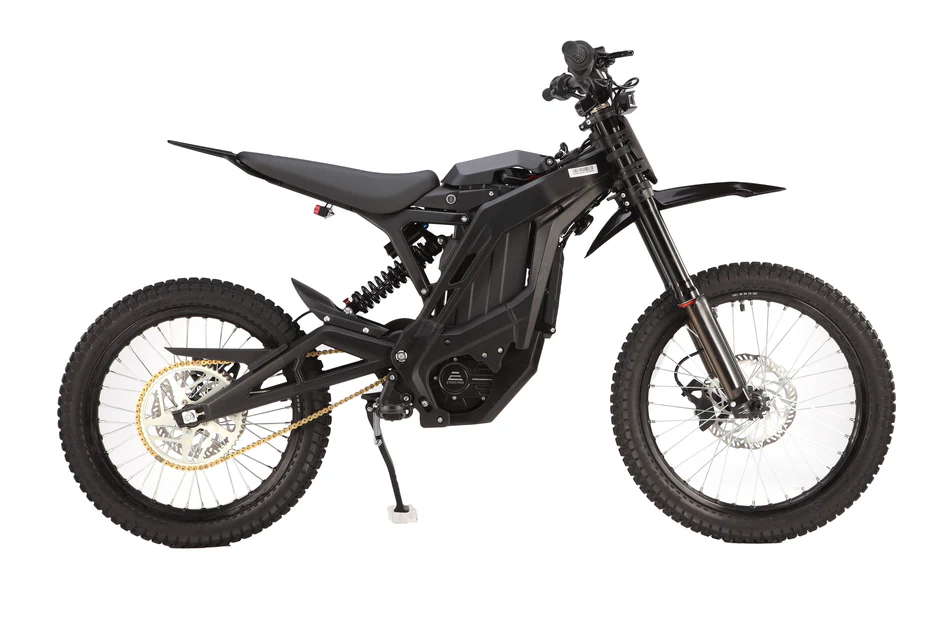
For short urban commutes, a registered electric bike is hard to beat. You avoid fuel costs, filter through traffic where your state allows lane filtering, and park easily. Most commuters ride well under 50 km a day, which even modest batteries handle comfortably, and you can top up at home overnight or at work if your employer allows it.
Things to check before you commit:
- Real-world range at highway speed. Range drops sharply at 100 km/h compared with city speeds.
- Charging at your destination. A power point at work makes a smaller battery far more practical.
- Weather protection. Good wet-weather gear matters more than the bike on a winter commute in Melbourne or Hobart.
- Security. Park in secure areas and use a disc lock or chain, as theft is a real risk.
Insurance and theft protection
Electric bikes are light, quiet and valuable, which makes them a target for thieves. Protect your investment:
- Insure it. Registered bikes need CTP, but comprehensive insurance covers theft and damage. Many insurers now offer policies for off-road electric bikes stored at home too.
- Lock it to something solid. A ground anchor in the garage and a heavy chain are a strong deterrent.
- Fit a hidden GPS tracker. It improves the chance of recovery if the worst happens.
- Record the frame number. Keep your invoice, photos and serial numbers somewhere safe.
- Be careful online. Don’t post your address or where you store the bike on social media.
Electric motorbikes for kids and teens
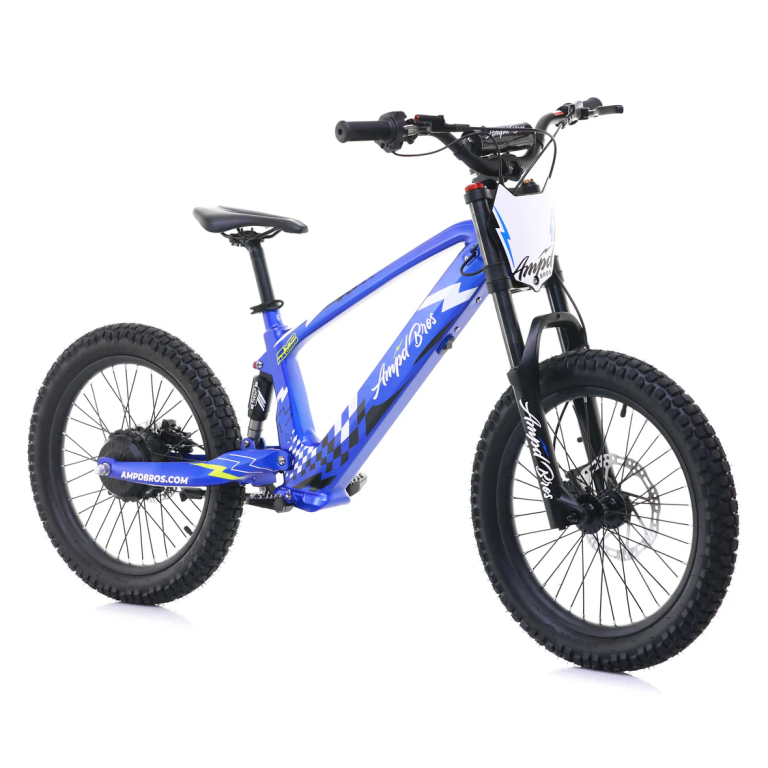
Many families start with a small off-road model for the kids. Bikes like the Surron Hyper Bee and the RFN range are designed for younger riders, with lower seats, lighter frames and parental controls. Always match the bike to the child’s weight, height and ability, not their age alone, and supervise every ride. Our kids electric dirt bike guide explains how to choose.
Where can you ride an off-road electric motorbike?
An unregistered e-motorbike can be ridden:
- on private property with the landowner’s permission,
- at approved off-road parks, such as the permitted areas in Western Australia,
- at motocross and club tracks, subject to club rules and licences.
It can’t be ridden on roads, footpaths, shared paths, beaches, public parks or in national parks and state forests unless it’s registered and the area allows it. Several states introduced tougher penalties in 2026. Our electric dirt bike laws guide covers the rules state by state, and our Perth guide covers WA’s off-road vehicle registration.
Buying an electric motorbike from Electric Dirt Bikes
We sell off-road and road-registerable electric motorbikes, along with parts, upgrades and advice, from our locations in Albert Park, Victoria, and Rosny Park, Tasmania. We also offer a VIP motor courier service on bikes. Browse our electric bikes and e-motos, or contact us and tell us how and where you want to ride, and we’ll help you choose.
Electric motorbike FAQs
Do I need a licence to ride an electric motorbike?
On public roads, yes. You need a motorcycle licence or learner permit for a road-registered e-motorbike, although some states let car licence holders ride 50 km/h mopeds. On private property, an off-road electric motorbike doesn’t need a licence, but you need the landowner’s permission.
Can I ride an electric motorbike on the footpath?
No. E-motorbikes are motor vehicles and can’t be ridden on footpaths or bike paths.
How far can an electric motorbike go?
It depends on the battery and how you ride. Small off-road bikes might manage 35–60 km of trail riding, while larger bikes like the Ultra Bee are rated at up to 140 km at a steady 40 km/h.
How long does an electric motorbike take to charge?
Smaller bikes charge from 20% to 80% in about two hours. Larger batteries can take three to four hours or more.
Is an electric motorbike cheaper to run than petrol?
Yes. There’s no fuel and very little routine servicing. The main long-term cost is eventually replacing the battery.
Are electric motorbikes LAMS approved?
Some are. Approval depends on the specific model and state. In NSW, electric motorcycles must have a power output of 25 kW or less to be eligible.