Good dirt bike gear is the difference between walking away from a crash and spending weeks recovering. Whether you ride a petrol motocross bike or an electric dirt bike, the forces in a fall are the same, and the right protection makes a huge difference. This checklist covers the 12 essential items every rider needs, how each one should fit and what to expect to pay in Australia.
We’ll also cover gear for kids, electric-specific tips, how to care for your kit and when to replace it. Prices are a guide only and vary widely by brand.
Why dirt bike gear matters
Off-road riding means loose surfaces, roots, rocks, ruts and jumps. Even experienced riders fall regularly, usually at low speed. Most of those falls end with nothing worse than a bruise, but only if you’re wearing the right protection.
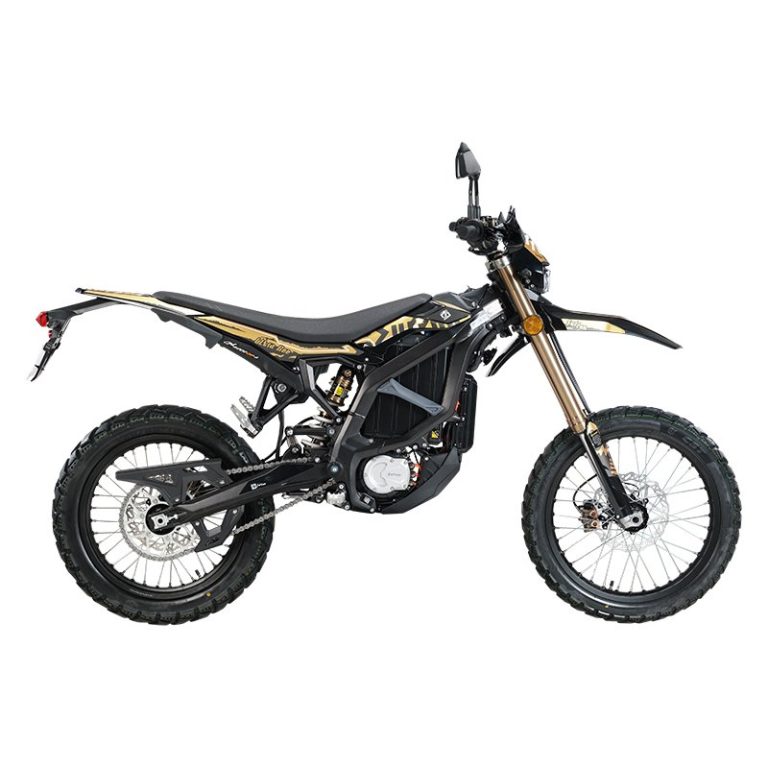
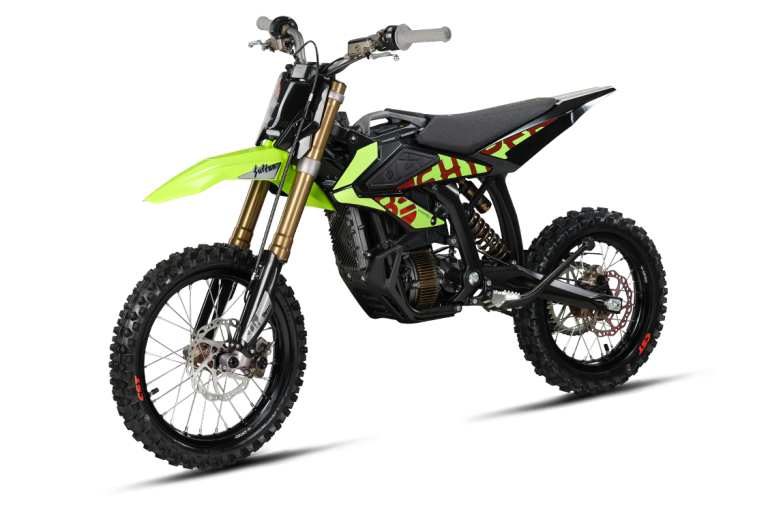
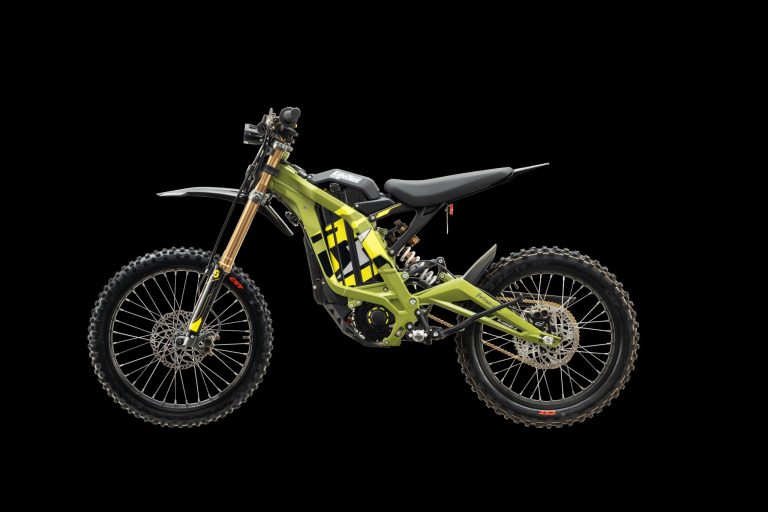
Electric dirt bikes deserve special mention. Because they’re quiet and easy to ride, new riders sometimes treat them like bicycles. But a Light Bee X reaches 80 km/h and a Hyper Bee reaches 65 km/h. At those speeds, full dirt bike gear is essential, not optional.
The dirt bike gear checklist at a glance
| Item | Priority | Approx. price range |
|---|---|---|
| Helmet | Essential | $150–$1,000+ |
| Goggles | Essential | $40–$200 |
| Gloves | Essential | $30–$80 |
| Motocross boots | Essential | $150–$800 |
| Knee guards or braces | Essential | $50–$1,500 |
| Chest protector or body armour | Essential | $100–$400 |
| Elbow guards | Recommended | $40–$120 |
| Neck brace | Recommended | $200–$700 |
| Jersey | Recommended | $40–$120 |
| Pants | Recommended | $100–$300 |
| Hydration pack | Recommended | $50–$200 |
| Trail kit | Recommended | $50–$150 |
A complete set of entry-level dirt bike gear typically costs around $600 to $1,500. Premium kit can cost several times that.
1. Helmet
The helmet is the most important piece of dirt bike gear you’ll ever buy. Choose a full-face motocross-style helmet that meets a recognised standard such as AS/NZS 1698 or ECE 22.06, and check that any club or track you ride at accepts it.
Fit is everything. The helmet should feel snug all around your head, with no pressure points, and shouldn’t move when you shake your head. Always fasten the strap. Replace any helmet after a significant impact, even if it looks fine, and consider replacing it after about five years of regular use.
Helmet standards explained
Helmet standards set minimum requirements for impact protection, strap strength and coverage. In Australia, you’ll most often see AS/NZS 1698 and the European ECE 22.05 or 22.06 standards. Helmets carry a label or sticker showing the standard they meet.
Clubs and tracks can set their own rules about which standards they accept, so check before race day. Avoid cheap online helmets with no clear certification. When it comes to dirt bike gear, the helmet is not the place to save money.
2. Goggles
Motocross goggles protect your eyes from dust, mud, roost (stones thrown by other bikes) and branches. Sunglasses aren’t enough. Choose goggles that fit the eye port of your helmet and seal against your face without gaps.
Clear lenses are the most versatile, while tinted lenses help in bright sun. Tear-offs or roll-offs are useful in muddy conditions.
3. Gloves
Gloves protect your hands in a fall and improve grip on the bars. Motocross gloves are light and flexible, with a thin palm for good feel. Some have knuckle protection for tight bush trails. Make sure they fit well without bunching in the palm.
4. Motocross boots
Boots are the second most important item of dirt bike gear after the helmet. Ankles and feet take a beating off-road, from foot-down turns to rocks and crashes. Proper motocross boots have rigid soles, shin plates and ankle support, and they’re designed to stop your ankle twisting too far.
Hiking boots and work boots don’t offer the same protection. Budget for a proper pair, especially if you ride fast or jump.
5. Knee guards or braces
Knees are vulnerable off-road. Basic knee guards protect against impacts, while knee braces also help prevent twisting injuries. Braces are more expensive but are popular with riders who ride often or have had knee injuries before.
Knee guards should cover the kneecap fully and stay in place when you move. Wear them under or over your pants, depending on the design.
6. Chest protector or body armour
A chest protector shields your chest and back from roost, handlebars and impacts. Body armour jackets go further, adding shoulder, elbow and back protection in one piece. Both are important for any rider, and especially for kids.
Look for back protection that covers your spine and fits comfortably when you stand on the pegs.
7. Elbow guards
Elbow guards protect against impacts in a fall. They’re light, cheap and easy to wear, and they’re built into many body armour jackets. If your armour doesn’t include them, add a pair.
8. Neck brace
A neck brace is designed to limit extreme head and neck movement in a crash. It’s popular with motocross and enduro riders. Neck braces must be fitted correctly and work with your helmet and chest protector, so try the whole set together before buying.
9. Jersey
A motocross jersey is light, breathable and cut to fit over body armour. It keeps you cool, protects your arms from scrapes and branches and makes you easier to see. Long sleeves are a must.
10. Pants
Motocross pants are made from tough fabric with leather or heat-resistant panels on the inside of the legs. They protect against scrapes, branches and hot parts on petrol bikes, and they’re designed to fit over knee guards. Jeans offer far less protection.
11. Hydration pack
Riding is hard work, and dehydration causes fatigue and mistakes. A hydration pack lets you drink while you ride and carry a few essentials. Some include a back protector. On hot days, drink before you feel thirsty.
12. Trail kit
Every rider should carry a basic kit: a few tools for your bike, a tyre repair option, zip ties, a first aid kit and a charged phone. Tell someone where you’re riding and when you’ll be back, especially if you ride alone. It’s the most overlooked part of dirt bike gear, but it can turn a long walk home into a quick fix.
Dirt bike gear for different riding styles
The core checklist is the same for everyone, but different types of riding put different demands on your kit.
Motocross and track riding
Motocross means jumps, whoops and close racing, so impact protection is the priority. Riders usually wear knee braces, a chest protector or roost deflector, a neck brace and stiff motocross boots. Vented jerseys and pants help on hot track days.
Trail and enduro riding
Trail riding means longer days, more time standing on the pegs and more branches and rocks. Comfort and ventilation matter more. Many trail riders prefer body armour jackets, knee guards, gloves with knuckle protection and a hydration pack with space for tools. Enduro-style boots with more flexible soles can be more comfortable for walking.
Casual property riding
Even a slow lap around the family farm needs proper dirt bike gear. A helmet, goggles, gloves, boots, long pants and long sleeves are the minimum. Most injuries happen at low speed, often when riders think they don’t need protection.
Dirt bike gear for hot and cold weather
Australian summers are tough on riders. In the heat, choose vented jerseys and pants, mesh body armour and light-coloured gear. Drink plenty of water, ride early in the day and take regular breaks in the shade. Heat exhaustion causes poor decisions and crashes.
In winter, layer up under your jersey with thin thermal tops, and choose gloves and a jacket designed for cold or wet conditions. Anti-fog goggle lenses help on cold mornings. Whatever the weather, never leave out essential protection to stay cooler or warmer.
How dirt bike gear should fit
Well-fitted dirt bike gear protects better and is more comfortable. Try gear on together, not piece by piece, to make sure everything works as a system.
- Helmet: snug with no pressure points; the helmet shouldn’t roll forward or back.
- Goggles: a full seal with no gaps around the nose or cheeks.
- Boots: snug at the heel and ankle; your foot shouldn’t slide.
- Knee guards: cover the kneecap and stay in place when you crouch.
- Chest protector: covers the chest and spine without restricting breathing.
- Pants and jersey: loose enough to fit over armour, but not flapping.
If you’re between sizes, try both. Fit varies between brands.
Dirt bike gear for kids
Kids need exactly the same protection as adults, sized properly. Buy dirt bike gear that fits now rather than gear to grow into. An oversized helmet or loose boots can be dangerous. Kids grow quickly, so check the fit of their gear every few months.
The minimum for any child on a powered bike is a properly fitted, certified helmet, goggles, gloves, long pants, long sleeves and sturdy boots that cover the ankles. As speed increases, add motocross boots, knee guards, elbow guards and a chest protector. The Sydney Children’s Hospitals Network has useful safety advice for kids on recreational vehicles.
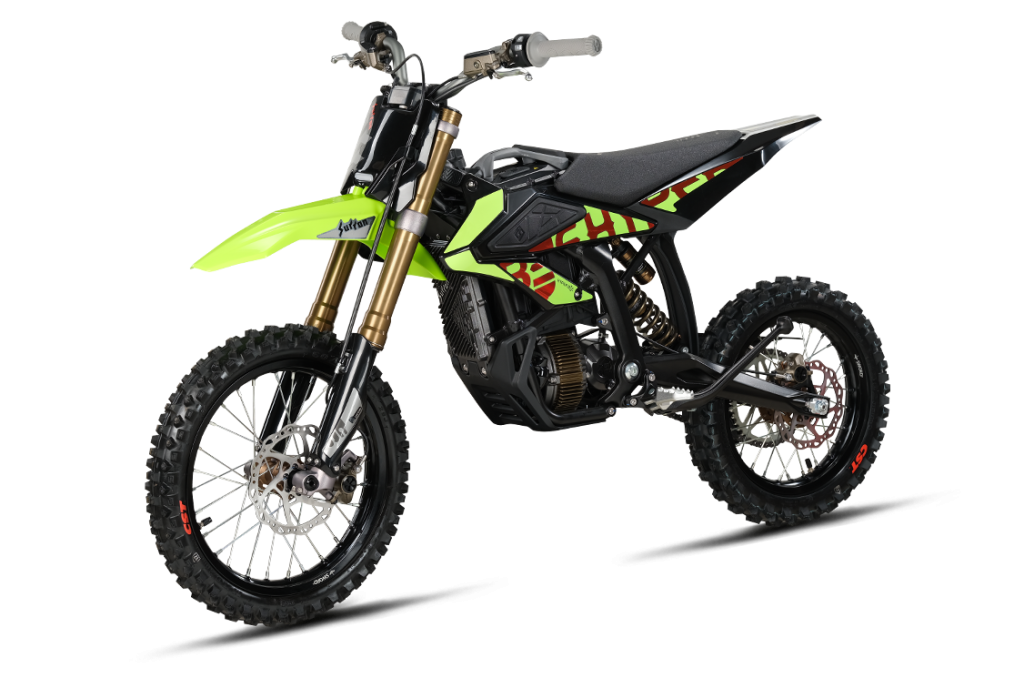
Our electric dirt bike for kids guide covers safety for young riders in more detail, and our kids electric motorbike stages guide explains what gear to add as your child progresses.
Building your kit in stages
If buying everything at once isn’t possible, build your dirt bike gear in a sensible order. Never ride without the first stage, and add the rest as soon as you can.
| Stage | Items | Why |
|---|---|---|
| 1. Before your first ride | Helmet, goggles, gloves, boots | Protects your head, eyes, hands and feet |
| 2. Within the first month | Knee guards, chest protector | Covers the most common impact injuries |
| 3. As you progress | Elbow guards, jersey, pants, hydration pack | Comfort and extra protection |
| 4. For faster riding | Knee braces, neck brace, body armour jacket | Higher-level protection for jumps and speed |
This approach spreads the cost while keeping you protected from day one. Talk to experienced riders at your local track about which brands fit well and last.
Gear and the rules
Some riding areas and clubs set minimum gear requirements. Motocross tracks commonly require a certified helmet, boots, gloves, goggles and long sleeves and pants. Club events run under Motorcycling Australia rules also have their own gear requirements, so check with the club before you go. Turning up without the right dirt bike gear can mean you’re not allowed to ride.
For juniors, clubs often add extra rules, such as chest protectors being compulsory. Motorcycling Australia’s junior licence information is a good starting point for families getting into club riding.
Electric dirt bike gear tips
Electric bikes change a few things about gear choice. There’s no hot exhaust, so heat protection on your pants matters less. The bikes are quiet, so other trail users may not hear you coming, and bright colours help.
But the speeds and crash forces are just as high as on petrol bikes. The same dirt bike gear checklist applies to a Surron, Talaria or E-Ride Pro as to a petrol motocross bike. Our Surron guide and electric dirt bike guide explain how fast each model goes.
Common dirt bike gear mistakes
- Riding in a helmet that’s too big. A loose helmet can move or come off in a crash.
- Wearing runners or work boots. They don’t protect ankles the way motocross boots do.
- Skipping body armour on short rides. Most falls happen close to home, at low speed.
- Keeping an old or crashed helmet. Once it’s taken a hard hit, its protection is reduced.
- Buying gear for kids to grow into. Oversized dirt bike gear slips and gaps at the worst moment.
- Forgetting sun and hydration. Heat and dehydration cause fatigue, which causes mistakes.
Avoid these mistakes and your dirt bike gear will do its job when you need it most.
Buying dirt bike gear on a budget
Quality gear doesn’t have to cost a fortune. Spend most of your budget where it matters: helmet, boots and body protection. Save on jerseys and pants, where a basic set works just as well.
- Never buy a second-hand helmet, because you can’t know if it’s been dropped or crashed.
- Look for end-of-season sales on jerseys, pants and gloves.
- Buy a combo kit of jersey, pants and gloves for kids who grow quickly.
- Choose knee guards first, then upgrade to braces later if you ride often.
Buying gear for a new rider
If you’re buying for someone who’s never ridden, take them with you. Fit is personal, and trying gear on in person is far better than guessing sizes online. Bring the helmet and goggles together to check they work as a pair, and wear riding socks when trying boots.
Explain what each item does and why it matters. New riders who understand their dirt bike gear are more likely to wear all of it, every time. If you’re buying a bike at the same time, ask the dealer to check that the rider’s boots fit comfortably on the pegs and under the gear lever or brake pedal.
Caring for your dirt bike gear
Looking after your kit makes it last longer and keeps it safe. Wash jerseys and pants after muddy rides, following the care label. Clean goggle lenses with water and a soft cloth, not a dry rag, to avoid scratches. Let boots and gloves dry naturally away from direct heat.
Store your helmet in a bag, away from sunlight, fuel and solvents. Check armour straps and buckles regularly and replace anything that’s cracked or worn.
When to replace your gear
- Helmet: after any significant impact, or after about five years of use.
- Goggles: when the lens is scratched or the foam is worn.
- Boots: when buckles, soles or shin plates are damaged.
- Armour: when it’s cracked, the foam is compressed or straps are worn.
- Gloves: when the palms wear through.
If you’re unsure, replace it. Dirt bike gear only protects you if it’s in good condition.
Pre-ride gear check
Before every ride, run through this quick check:
- Helmet on and strap fastened.
- Goggles clean and sealed.
- Gloves, boots and armour on and secure.
- Hydration pack filled.
- Trail kit and phone packed.
It takes a minute and becomes a habit fast. Our electric dirt bike laws guide also explains helmet and safety rules that apply in some riding areas.
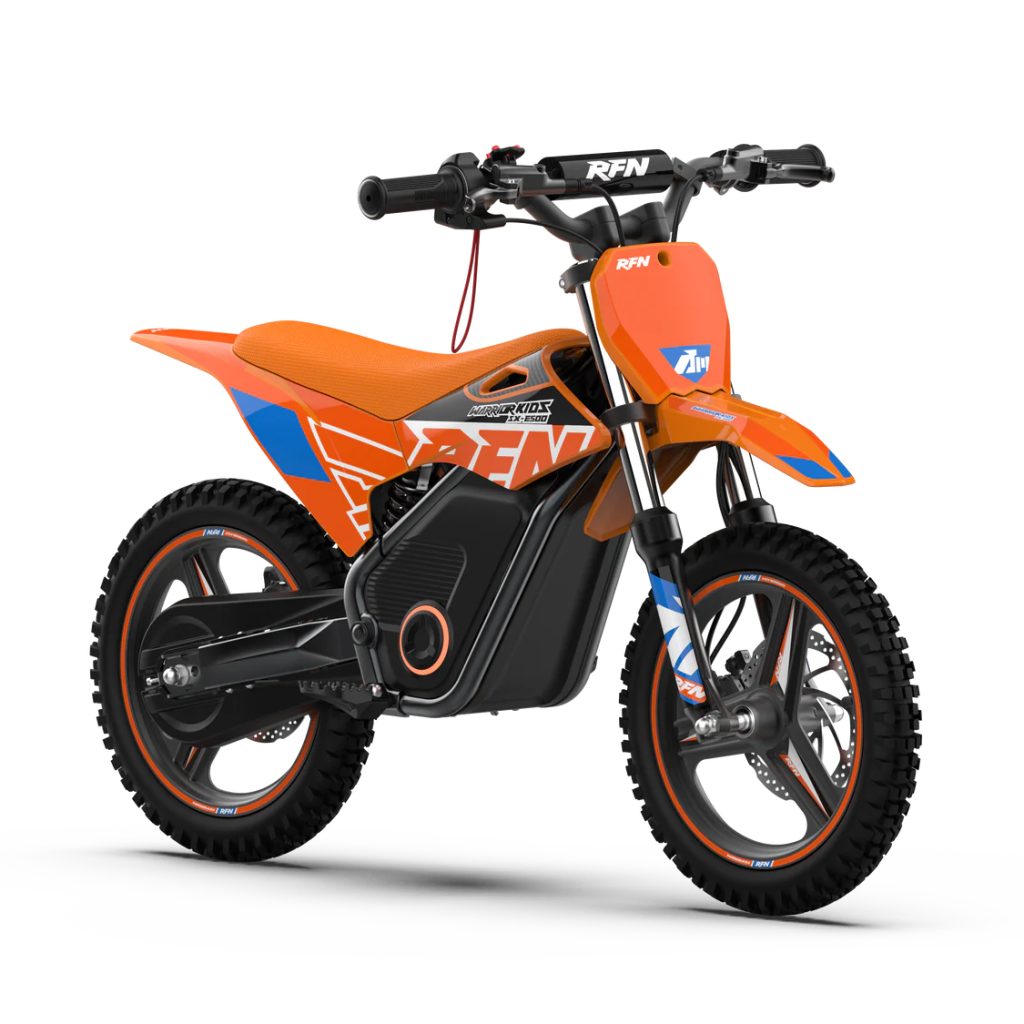
Riding gear and bikes from Electric Dirt Bikes
We stock electric dirt bikes for kids, teens and adults, plus parts, upgrades and accessories, from our locations in Albert Park, Victoria, and Rosny Park, Tasmania. Browse our electric bikes and e-motos or contact us for advice on getting set up to ride safely.
Dirt bike gear FAQs
What is the most important dirt bike gear?
The helmet, followed by boots and body protection. Never ride without a properly fitted, certified helmet.
How much does dirt bike gear cost?
A complete entry-level set typically costs around $600 to $1,500. Premium gear can cost several times that.
Do I need dirt bike gear for an electric dirt bike?
Yes. Electric dirt bikes reach similar speeds to small petrol bikes, so the same protection applies.
Can I use a road motorcycle helmet off-road?
A motocross helmet is designed for off-road riding, with a peak and a large eye port for goggles. It’s the better choice for dirt riding.
How often should I replace my helmet?
After any significant impact, and generally after about five years of regular use.